How-to
How to clean a motorcycle helmet inside and out
Published
Short answer
Clean the shell with warm water, mild soap and a soft microfiber cloth after soaking bugs with a damp towel. Clean the visor with plain water or a helmet visor cleaner, never ammonia window cleaner. Remove the comfort liner and cheek pads, hand wash them in lukewarm water with mild shampoo, rinse well and air dry away from heat. Avoid solvents, petroleum products and abrasive pads, which can damage the shell, paint and visor coatings.
Gear for this job
All 8 picks compared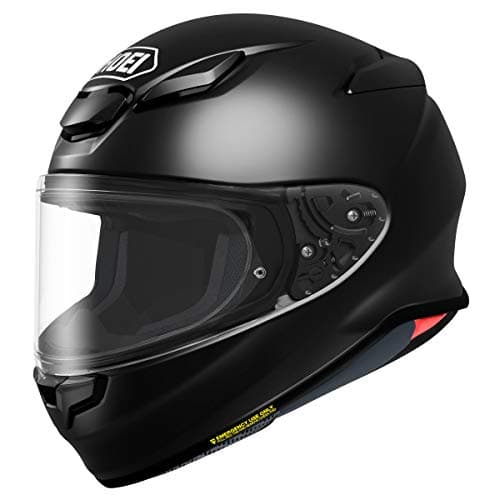
Shoei RF-1400: Snell M2020 and DOT listed
See price on AmazonSee it on Amazon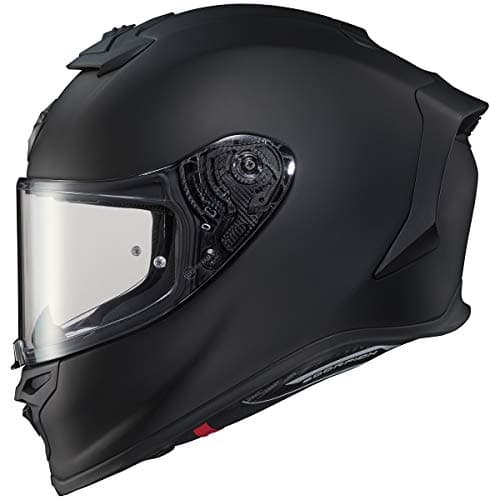
Scorpion EXO-R1 Air: DOT and ECE, 3.05 lb
See price on AmazonSee it on Amazon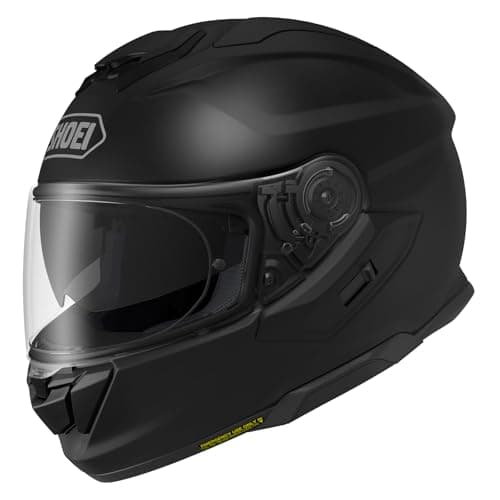
Shoei GT-Air 3: touring full face with sun visor
See price on AmazonSee it on Amazon
Bugs on the visor, sweat in the liner and road grime on the shell all build up faster than most riders expect. A dirty helmet is harder to see out of, smells bad and wears out sooner. This page shows how to clean every part of a motorcycle helmet safely: the shell, the visor and Pinlock insert, the vents and the removable liner. It also covers getting rid of helmet smell and the products you should never use.
What you need
You do not need special kit. Most of the job is done with warm water, a mild soap and clean microfiber cloths. Use separate cloths for the shell and visor so grit from the shell does not scratch the visor. A dedicated helmet cleaner is fine if the label says it is safe for polycarbonate and coated visors.
- Two or three clean microfiber cloths
- Warm water and a mild soap or baby shampoo
- A soft towel for soaking bugs
- Cotton swabs or a soft brush for vents
- A helmet visor cleaner (optional)
Clean the shell and vents
Start by soaking dried bugs. Lay a warm, damp towel over the front of the helmet for several minutes. This softens bug remains so they wipe off without scrubbing. Then wash the shell with warm soapy water and a microfiber cloth, rinse with a clean damp cloth and dry.
Open the vents and clean them with a cotton swab or soft brush. Many helmets let you remove vent covers, so check the owner's manual. Do not spray water into the vents with force, since it can soak the EPS and liner. For matte finishes, skip wax and polish, which can leave shiny patches. Use plain soapy water or a matte-safe cleaner.
- 1
Lay a warm, damp towel over the front for several minutes.
- 2
Wipe off softened bugs gently.
- 3
Wash the shell with mild soapy water and microfiber.
- 4
Clean vents with swabs or a soft brush.
- 5
Rinse with a damp cloth and dry.
Clean the visor and Pinlock
Remove the visor if your helmet has a tool-free release, since it is easier to clean on a table. Soak bugs with a damp cloth, then wipe with water or a visor cleaner. Dry with a clean microfiber, using light pressure.
Many visors have anti-fog or anti-scratch coatings, and Pinlock inserts have a moisture-absorbing inner surface. Do not use ammonia glass cleaner, alcohol or solvents on them. Clean a Pinlock insert only with water and a soft cloth, and dab rather than rub the inner face. See how to install a Pinlock insert for refitting it, and motorcycle helmet visor fogging if fog is a problem.
Note.Never use paper towels on a visor. Wood fibers can leave fine scratches that show up badly at night.
Wash the liner and get rid of helmet smell
Most modern helmets have a removable comfort liner and cheek pads. Take them out following the owner's manual, noting how they clip in. Hand wash in lukewarm water with a mild shampoo, squeeze gently rather than wringing, and rinse until the water runs clear. Some makers allow a gentle machine cycle in a laundry bag, so check your manual first.
Air dry the pads at room temperature, away from direct sun, heaters and dryers. Heat can deform the foam and weaken glue. Let the empty shell air out too. For smell, washing the liner fixes most cases. Between washes, store the helmet with the visor slightly open so sweat can dry out, and use a liner refresh spray made for helmets if you like. If the liner cannot be removed, wipe it with a damp cloth and mild soap, and let it dry fully before wearing.
- 1
Remove the liner and cheek pads.
- 2
Hand wash in lukewarm water with mild shampoo.
- 3
Rinse until clear and press out water.
- 4
Air dry away from heat and sun.
- 5
Refit the pads once completely dry.
Products and habits to avoid
Many cleaning products can harm a helmet. Petroleum-based solvents, fuel, paint thinner and some degreasers can weaken polycarbonate and the EPS liner. Abrasive pads scratch paint and visors. Silicone sprays on the visor smear and attract dust.
Also avoid stickers or paint not approved by the maker on polycarbonate shells, since some adhesives and paints can affect the plastic. If you store your helmet in a garage, keep it away from fuel and chemical fumes. Our guide to how to store a motorcycle helmet covers that in more detail. If your liner is worn out, or the helmet is around five years old, it may be time to look at our best full face helmets.
- Ammonia glass cleaners on visors
- Fuel, solvents, thinners and strong degreasers
- Abrasive pads or scouring sponges
- Hair dryers, heaters or tumble dryers on pads
- Pressure washers
Frequently asked questions
How often should I clean my helmet? Wipe the visor after every ride when bugs build up, wash the shell every few weeks, and wash the liner every month or two, more often in hot weather.
Can I put helmet pads in the washing machine? Some makers allow it on a gentle cycle in a laundry bag. Check your owner's manual. Hand washing is the safe default.
How do I get the smell out of a helmet? Wash the removable liner with mild shampoo, air dry fully, and store the helmet with the visor open so sweat can dry out.
Is it safe to use Windex on a helmet visor? No. Ammonia-based glass cleaners can damage anti-fog and other visor coatings. Use water or a visor cleaner.
What you need for this
- See price on AmazonAmazon
Shoei RF-1400: quieter shell, SNELL M2020 and DOT
From Best full face motorcycle helmets for street and sport touring
 See price on AmazonAmazon
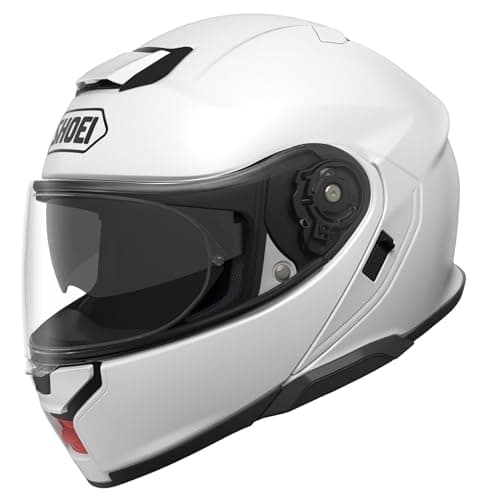
Shoei Neotec 3: modular that reduces wind noise
From Best modular motorcycle helmets for touring and commuting