Comparison
Leather vs textile motorcycle jacket: abrasion, weather and upkeep
Published
Short answer
Leather suits sport and street riders who want a close fit and a material long used for abrasion, but it needs care and is hot and not waterproof on its own. Textile suits commuters and tourers: it can add removable waterproof and thermal liners, mesh vents and pockets, and is easier to clean. Either way, look for CE Level 2 armor at shoulders, elbows and back.
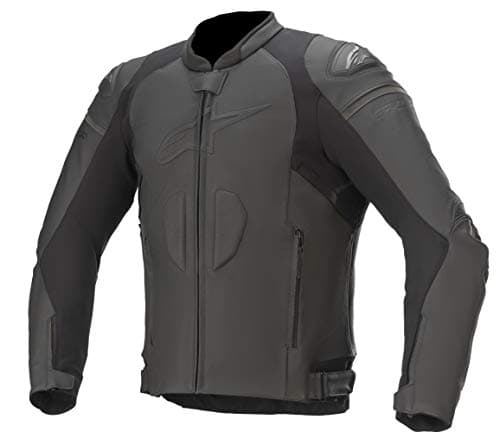
Alpinestars
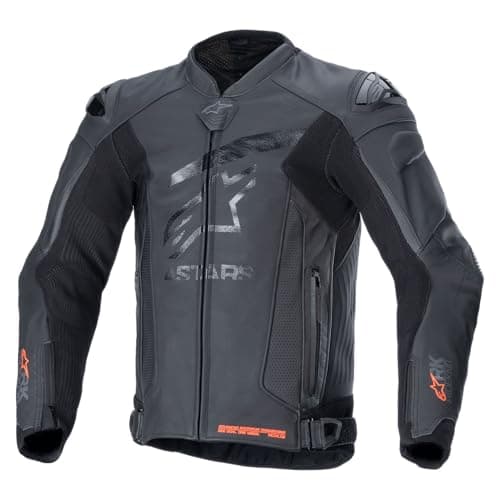
Alpinestars GP Plus R V3: shoulder and elbow armor listed
See price on Amazon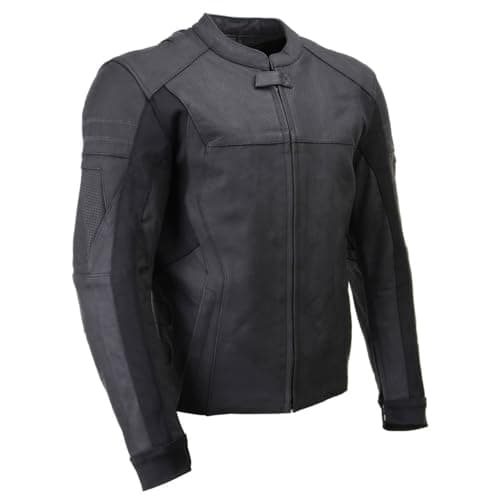
Milwaukee Leather
Milwaukee Leather LKM17014: CE Level 2 armor set included
See price on Amazon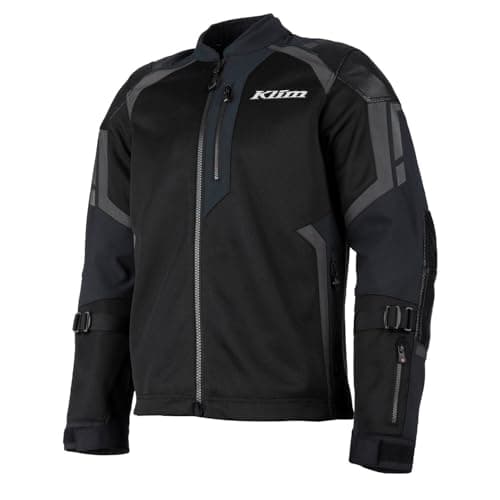
KLIM
KLIM Induction Pro: D3O CE Level 2, Cordura
See price on Amazon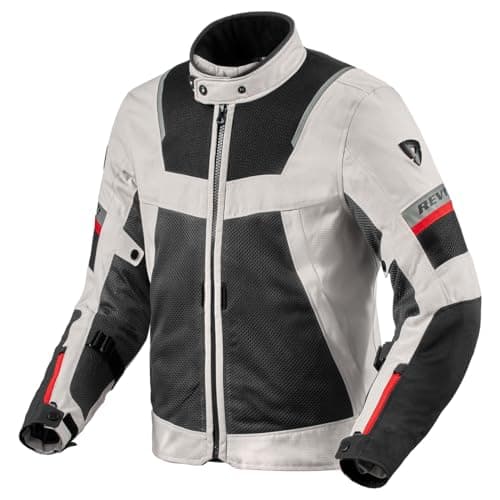
REV'IT!
REV'IT! Tornado 4 H2O: Level 2 armor, 3-season liners
See price on Amazon
- Alpinestars GP Plus R V3: shoulder and elbow armor listed
- Armor level
- Nucleon Flex Plus shoulder and elbow; level not stated
- Material
- Leather with HRSF stretch sleeves
- Waterproof
- Not stated
- Milwaukee Leather LKM17014: CE Level 2 armor set included
- Armor level
- CE Level 2 shoulder, elbow and back included
- Material
- 1.2-1.3mm cowhide, perforated panels
- Waterproof
- Not stated
- KLIM Induction Pro: D3O CE Level 2, Cordura
- Armor level
- D3O CE Level 2 elbow, shoulder and back
- Material
- Karbonite nylon mesh, 600D and 1000D Cordura, goat leather
- Waterproof
- Not stated
- REV'IT! Tornado 4 H2O: Level 2 armor, 3-season liners
- Armor level
- SEEFLEX CE Level 2 shoulders and elbows; back protector pocket
- Material
- Textile with 3D air mesh panels
- Waterproof
- Removable waterproof liner
| Pick | Armor level | Material | Waterproof | Price | Link |
|---|---|---|---|---|---|
| Alpinestars GP Plus R V3: shoulder and elbow armor listed | Nucleon Flex Plus shoulder and elbow; level not stated | Leather with HRSF stretch sleeves | Not stated | - | Amazon |
| Milwaukee Leather LKM17014: CE Level 2 armor set included | CE Level 2 shoulder, elbow and back included | 1.2-1.3mm cowhide, perforated panels | Not stated | - | Amazon |
| KLIM Induction Pro: D3O CE Level 2, Cordura | D3O CE Level 2 elbow, shoulder and back | Karbonite nylon mesh, 600D and 1000D Cordura, goat leather | Not stated | - | Amazon |
| REV'IT! Tornado 4 H2O: Level 2 armor, 3-season liners | SEEFLEX CE Level 2 shoulders and elbows; back protector pocket | Textile with 3D air mesh panels | Removable waterproof liner | - | Amazon |
Facts are taken from each Amazon listing. Prices are checked daily and shown with their date.
Verdict
Choose leather, like the Alpinestars GP Plus R v3 or the budget Milwaukee Leather LKM17014, for sport and street riding with a close fit. Choose textile, like the REV'IT! Tornado 4 H2O for mixed weather or the KLIM Induction Pro for hot-weather riding, if you want liners, airflow and easier care.
Choosing between leather and textile comes down to how and where you ride. Leather has a long racing history and a snug, sporty fit. Textile jackets are built from nylon fabrics such as Cordura and tend to add weather features. This page compares the two on abrasion, weather, armor, comfort and upkeep, and uses four real jackets to show the difference, with every product fact taken from its listing. If fit is your first question, read how a motorcycle jacket should fit.
What textile motorcycle jackets are
A textile jacket is built from synthetic fabrics instead of hide. Common materials are heavy nylon such as Cordura in different deniers, often with tougher panels at the shoulders, elbows and cuffs where a slide does the most damage. The KLIM Induction Pro, for example, lists nylon mesh with 600D Cordura overlays on the cuffs and key abrasion areas, 1000D Cordura on the sides and stretch zones, and perforated goat leather at the elbows and shoulders.
Many textile jackets add liners. The REV'IT! Tornado 4 H2O lists removable thermal and waterproof liners, and the waterproof layer can go inside or outside the jacket. That kind of flexibility is the main reason riders choose textile.
Four jackets compared
Listing facts only. Prices are as listed at the time of writing and vary by size and color.
Alpinestars GP Plus R v3
- Material
- Leather with stretch panels
- Armor in listing
- Nucleon Flex Plus shoulder and elbow; back and chest optional
- Weather features
- Not listed
- Listed price
- $579.95
Milwaukee Leather LKM17014
- Material
- Cowhide, 1.2-1.3 mm, perforated panels
- Armor in listing
- CE Level 2 shoulder, elbow and back
- Weather features
- Zip-out quilted liner
- Listed price
- $275.22
KLIM Induction Pro
- Material
- Nylon mesh, Cordura overlays, goat leather
- Armor in listing
- D3O CE Level 2 elbow, shoulder and back
- Weather features
- Mesh airflow
- Listed price
- $549.99
REV'IT! Tornado 4 H2O
- Material
- Textile with 3D air mesh panels
- Armor in listing
- SEEFLEX CE Level 2 shoulder and elbow; back prepared
- Weather features
- Removable thermal and waterproof liners
- Listed price
- $399.99
| Jacket | Material | Armor in listing | Weather features | Listed price |
|---|---|---|---|---|
| Alpinestars GP Plus R v3 | Leather with stretch panels | Nucleon Flex Plus shoulder and elbow; back and chest optional | Not listed | $579.95 |
| Milwaukee Leather LKM17014 | Cowhide, 1.2-1.3 mm, perforated panels | CE Level 2 shoulder, elbow and back | Zip-out quilted liner | $275.22 |
| KLIM Induction Pro | Nylon mesh, Cordura overlays, goat leather | D3O CE Level 2 elbow, shoulder and back | Mesh airflow | $549.99 |
| REV'IT! Tornado 4 H2O | Textile with 3D air mesh panels | SEEFLEX CE Level 2 shoulder and elbow; back prepared | Removable thermal and waterproof liners | $399.99 |
Abrasion and armor
Leather has been the material of choice in road racing for a long time because it holds up well when sliding on pavement. Thickness and construction matter: the Milwaukee Leather jacket lists 1.2 to 1.3 mm cowhide, and the Alpinestars GP Plus R v3 uses accordion panels and stretch material for movement. Textile can resist abrasion well too, especially with heavy Cordura panels in the crash zones, but quality varies more between jackets.
Material is only half the protection. Impact armor at the shoulders, elbows and back does the other half. Look for CE ratings: Level 2 lets less force through than Level 1. Some jackets include a back protector and some only have a pocket for one, as with the REV'IT! and the Alpinestars. Our armor CE levels explainer and back protector guide explain what to look for.
Maximum average transmitted force
Lower is better
Level 1 EN 1621-1 limb armor
35 kN35 kNLevel 2 EN 1621-1 limb armor
20 kN20 kNLevel 1 EN 1621-2 back protector
18 kN18 kNLevel 2 EN 1621-2 back protector
9 kN9 kN
Weather, heat and comfort
This is where textile pulls ahead for most commuters and tourers. Removable waterproof and thermal liners let one jacket cover cool mornings and rain, and mesh panels open up airflow when it gets hot. Leather is not waterproof by itself and holds heat, though perforated panels help; the Milwaukee Leather jacket lists perforated panels and a zip-out quilted liner for cold days.
For hot climates, a dedicated mesh jacket may suit you better than either; see the mesh jacket guide. For rain-heavy riding, a textile jacket with a waterproof liner is the simpler choice.
Care and upkeep
Leather needs regular cleaning and conditioning to stay supple, and it should dry slowly away from direct heat if it gets wet. Textile jackets are easier: remove the armor and liners, then wash according to the label. Waterproof membranes and coatings can need re-proofing over time. Our jacket cleaning guide covers both.
- 1
Remove all armor before cleaning either type.
- 2
Check the care label for wash temperature and whether machine washing is allowed.
- 3
Air dry; never put leather near a heater.
- 4
Condition leather and re-proof textile shells as the maker recommends.
Which should you buy
Browse more options in our leather jacket guide and armored jacket guide. Whatever you choose, pair it with riding gloves and boots.
- Sport riding, track days, want a close fit: leather such as the Alpinestars GP Plus R v3.
- Cruiser or street style on a budget with CE Level 2 armor included: Milwaukee Leather LKM17014.
- Hot-weather touring and street riding with D3O Level 2 armor: KLIM Induction Pro.
- Year-round commuting and touring in mixed weather: REV'IT! Tornado 4 H2O.
Frequently asked questions
Is leather safer than textile? Leather has a long track record for abrasion, but a well built textile jacket with heavy panels and CE Level 2 armor also protects well. Fit and armor matter as much as the outer material.
Are textile motorcycle jackets waterproof? Some are, usually through a removable waterproof liner or a laminated membrane. The REV'IT! Tornado 4 H2O lists a removable waterproof liner. Check each listing.
Can I wear a leather jacket in the rain? You can, but leather is not waterproof by itself. Wear a rain layer over it and let it dry slowly afterward.
What armor rating should I look for? CE Level 2 at the shoulders, elbows and back is the stronger rating. See our CE levels guide.
What you need for this
 See price on AmazonAmazon
Alpinestars GP Plus R V4 Rideknit: race fit, Tech-Air ready
- See price on AmazonAmazon
REV'IT! Tornado 4 H2O: Level 2 armor, 3-season liners
From Best armored motorcycle jackets by season and armor level
- See price on AmazonAmazon
KLIM Induction Pro: D3O CE Level 2, Cordura