Explainer
Back protector inserts for motorcycle jackets
Published
Short answer
Many motorcycle jackets have a back pocket that holds only a thin foam pad, not certified armor. Replacing it with a back protector insert certified to EN 1621-2 adds real impact protection for the spine. Level 2 inserts let less force through than Level 1. Choose the insert sized for your jacket and torso length, and check it covers your back from shoulders to near the waist.
Gear for this job
All 8 picks compared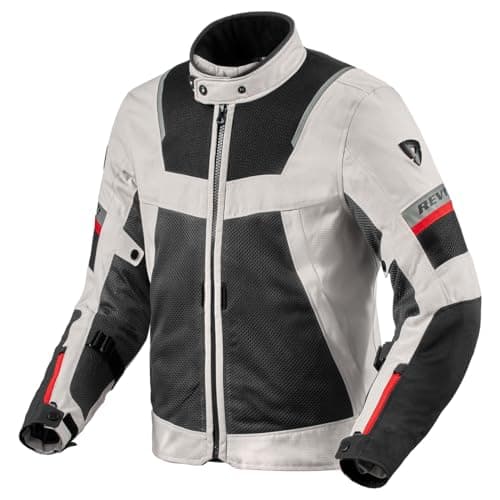
REV'IT! Tornado 4 H2O: Level 2 armor, 3-season liners
See price on AmazonSee it on Amazon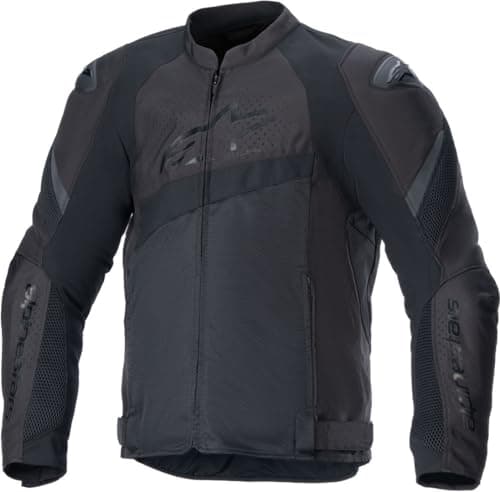
Alpinestars T-GP Plus V4 Airflow: hot-weather mesh
See price on AmazonSee it on Amazon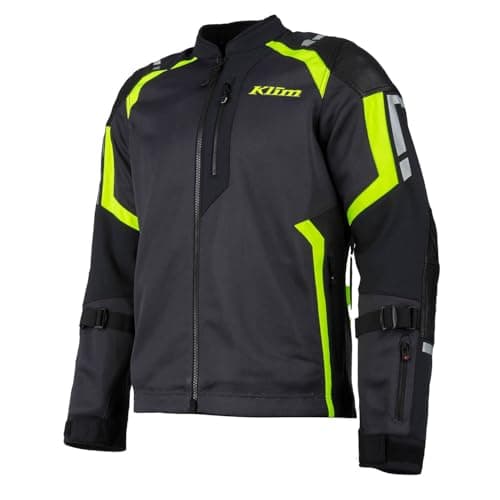
KLIM Induction Pro: D3O Level 2 at back, shoulders, elbows
See price on AmazonSee it on Amazon
Riders are often surprised to find that a jacket advertised as armored has CE armor at the shoulders and elbows but only a foam spacer in the back. This page explains why, what EN 1621-2 Level 1 and Level 2 mean, how back inserts differ from strap-on protectors, and how to pick and fit the right insert. It is for anyone upgrading a jacket's protection or buying replacement armor.
Why many jackets ship with a foam pad
A lot of jackets, from budget to mid-range, come with CE certified shoulder and elbow armor but only a foam pad in the back pocket. The pad gives shape and a little comfort, but it is not tested impact protection. Makers often do this to keep the jacket's price down and let riders choose their own back protector, since back protectors vary widely in size and preference.
Check the label on whatever is in your back pocket. Certified back protectors carry a CE mark, the standard EN 1621-2, and a Level 1 or Level 2 rating. A pad with no markings is not certified armor.
CE Level 1 vs Level 2 back protectors
Back protectors are tested under EN 1621-2. A weight is dropped on the protector and sensors measure how much force passes through. The lower the transmitted force, the higher the rating. Level 1 allows an average transmitted force up to 18 kN; Level 2 allows up to 9 kN, so it lets through half as much force. Limb armor uses a different standard, EN 1621-1, with different limits; see motorcycle armor CE levels.
Maximum average transmitted force
Lower is better
Level 1 EN 1621-1 limb armor
35 kN35 kNLevel 2 EN 1621-1 limb armor
20 kN20 kNLevel 1 EN 1621-2 back protector
18 kN18 kNLevel 2 EN 1621-2 back protector
9 kN9 kN
Level 1
- Max average transmitted force
- 18 kN
- In practice
- Thinner and lighter; some protection
Level 2
- Max average transmitted force
- 9 kN
- In practice
- More protection; can be thicker or use advanced foams
Uncertified foam pad
- Max average transmitted force
- Not tested
- In practice
- Shape and comfort only
| Level | Max average transmitted force | In practice |
|---|---|---|
| Level 1 | 18 kN | Thinner and lighter; some protection |
| Level 2 | 9 kN | More protection; can be thicker or use advanced foams |
| Uncertified foam pad | Not tested | Shape and comfort only |
Insert vs strap-on back protector
An insert slides into the jacket's back pocket. It is convenient, sits where the jacket puts it, and moves with the jacket. Its coverage is limited by the size of the pocket.
A strap-on or vest style back protector is worn under the jacket with shoulder and waist straps. It usually offers larger coverage and stays in place against your back regardless of jacket fit, but it is warmer and takes a moment to put on. Some riders choose a strap-on for track days or adventure riding and an insert for street riding.
- Insert: easy, low profile, limited by pocket size
- Strap-on: more coverage, stays put, warmer
- Airbag vest: separate system that can be worn with either; see how motorcycle airbag vests work
How to choose the right insert
- 1
Check your jacket's back pocket size or the maker's list of compatible back protectors. Many brands sell a matching insert for each jacket line.
- 2
Measure your torso: with the jacket on, the protector should reach from just below the base of the neck toward the waist, without hitting your belt when you are in a riding position.
- 3
Choose Level 2 if it fits comfortably in the pocket; it lets through less force.
- 4
Consider flexibility and ventilation. Soft, perforated viscoelastic inserts stay comfortable in heat; harder inserts may be stiffer.
- 5
Look for the EN 1621-2 marking and level on the protector itself.
Note.A back protector that is too long can push the jacket up when you sit in a tuck. One that is too short leaves your lower back exposed. Try it in your riding position.
How to fit a back protector insert
Jacket fit matters as much as the protector. If the jacket is loose, the insert can slide away from your back in a fall. See how should a motorcycle jacket fit.
- 1
Remove the foam pad from the back pocket. Most pockets open with a zip or Velcro on the inside of the jacket.
- 2
Check the protector's top and outside markings. Most are marked so the correct side faces your body.
- 3
Slide the protector in, top first, so it sits flat with no folds.
- 4
Close the pocket fully.
- 5
Put the jacket on, sit on your bike and check the protector covers your spine and does not press on your neck or belt.
Replacing shoulder and elbow armor too
While you are upgrading, check the shoulder and elbow armor. Some jackets come with Level 1 limb armor that can be swapped for Level 2 if a compatible size exists. Replace any armor that is cracked or damaged after a crash. The best armored motorcycle jackets guide notes which jackets include a back protector, and the best mesh motorcycle jackets and best leather motorcycle jackets guides cover other styles.
Frequently asked questions
Is the foam in my jacket's back a back protector? Usually not. Unless it is marked EN 1621-2 with a level, it is a comfort pad, not certified armor.
Is Level 2 back armor worth it? Level 2 transmits no more than half the force allowed for Level 1 in the standard test. Many riders choose it if it fits comfortably.
Can I put any back protector in my jacket? Only if it fits the pocket. Check the jacket maker's compatible inserts or measure the pocket first.
How often should I replace a back protector? Replace it after a crash impact or if it is cracked, deformed or the foam has degraded. Follow the maker's guidance.
What you need for this
- See price on AmazonAmazon
REV'IT! Tornado 4 H2O: Level 2 armor, 3-season liners
From Best armored motorcycle jackets by season and armor level
 See price on AmazonAmazon
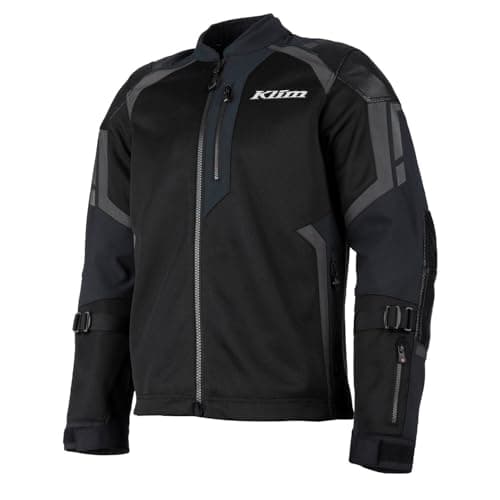
KLIM Induction Pro: D3O CE Level 2, Cordura
 See price on AmazonAmazon
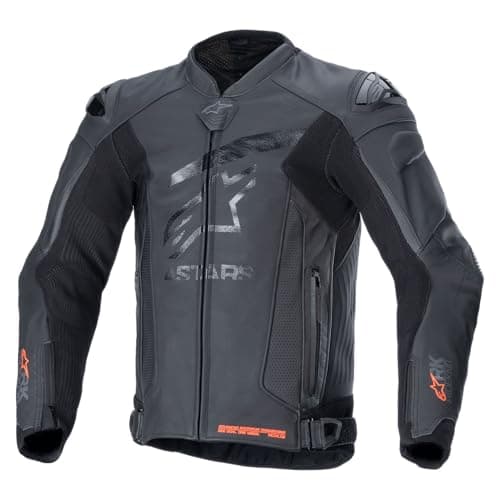
Alpinestars GP Plus R V4 Rideknit: race fit, Tech-Air ready