Explainer
Should you replace a helmet after a crash or a drop?
Published
Short answer
Replace a motorcycle helmet after any crash where your head or the helmet hit the ground or another object, even if it looks fine. The EPS foam liner absorbs energy by crushing, and it does not spring back, so it may not protect you the same way twice. For drops, helmet makers generally advise replacement or a professional inspection if the helmet fell onto a hard surface from a height, especially with a head-form inside it or with visible damage.
Gear for this job
All 8 picks compared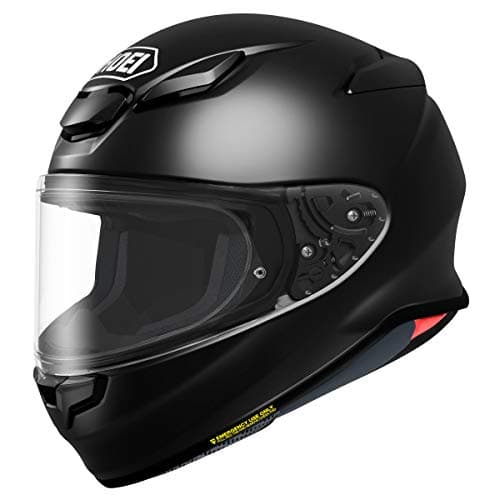
Shoei RF-1400: Snell M2020 and DOT listed
See price on AmazonSee it on Amazon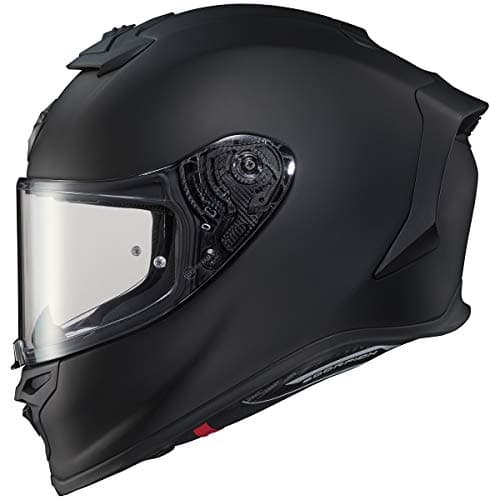
Scorpion EXO-R1 Air: DOT and ECE, 3.05 lb
See price on AmazonSee it on Amazon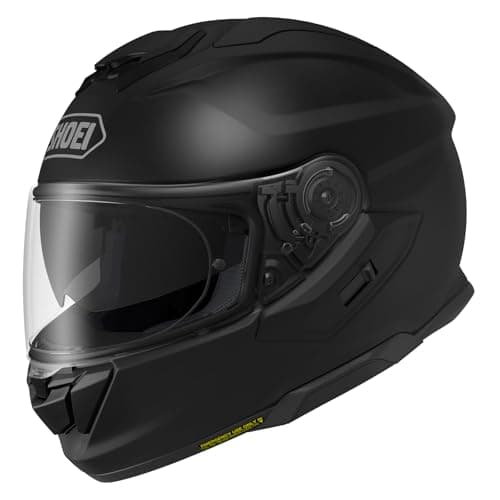
Shoei GT-Air 3: touring full face with sun visor
See price on AmazonSee it on Amazon
A helmet does its job by being partly destroyed. That is hard to accept when a helmet that cost several hundred dollars looks almost perfect after a low-speed slide or a tumble off the seat. This page explains what happens inside a helmet during an impact, why damage can hide under the paint, what manufacturers commonly say about crashes and drops, and a simple way to decide what to do with yours.
How a helmet absorbs an impact
A motorcycle helmet has two main protective layers. The outer shell spreads the force of a hit over a wider area and resists abrasion and penetration. Under it sits the EPS liner, expanded polystyrene foam, which is the part that actually slows your head down. On impact the tiny foam beads crush, turning energy into deformation.
Once EPS crushes, it stays crushed. It does not rebound like the comfort foam you touch with your cheeks. A compressed area is thinner and denser, so in a second impact at the same spot, there is less foam left to slow your head. That is why helmet standards treat helmets as single-impact devices for road use.
- 1Shell outer layer that spreads an impact and resists abrasion
- 2EPS liner expanded polystyrene foam that crushes to absorb impact
- 3Comfort liner removable, washable fabric layer against the head
- 4Cheek pad sets how snug the helmet sits on the face
- 5Chin bar fixed front section of a full face helmet
- 6Visor clear or tinted shield over the eye port
- 7Visor pivot mount the visor swings on, removable for cleaning
- 8Vents intakes on the chin bar and crown, exhausts at the back
- 9Chin curtain cuts wind and noise under the chin
- 10D-ring strap retention strap fastened through two metal rings
Why damage can be invisible
Fiberglass and carbon shells are designed to flex, crack internally or delaminate to absorb energy, and that damage can sit under intact paint. Polycarbonate shells can flex and spring back while the EPS underneath stays crushed. In both cases, the shell may show only a scuff.
You also cannot easily inspect the EPS at home. On most helmets it is glued into the shell and covered by the comfort liner. Even if you remove the liner, small compressions are hard to see or feel. That is the main reason manufacturers recommend replacement rather than a home inspection after a crash.
What manufacturers commonly say
Helmet makers broadly agree on crashes: if the helmet took a hit in an accident, replace it. Their owner's manuals say so, and several brands also run crash replacement programs that offer a discount on a new helmet after an accident. Programs and terms vary, so check your brand's current policy and keep your receipt.
Drops get more nuanced advice. A helmet that slid off a seat onto grass is a different case from one that fell from head height onto concrete. Many manufacturers suggest replacing the helmet after a significant drop, or sending it for inspection where the brand offers that service. When in doubt, the cautious answer is to replace it, because you cannot verify the liner yourself.
Note.Do not sell or give away a crashed helmet. Cut the strap or mark the shell so nobody rides in it by mistake.
A practical decision guide
Use the table as a starting point. It reflects common manufacturer guidance, not a rule for every brand. If you are unsure, contact the manufacturer with photos and details of what happened.
Crash where the helmet hit the road or an object
- Usual advice
- Replace
Any hit with visible cracks, deep gouges or a dent in the liner
- Usual advice
- Replace
Dropped from head height onto concrete or asphalt
- Usual advice
- Replace or have it inspected by the maker
Fell off the seat or mirror onto a hard floor
- Usual advice
- Inspect closely, contact the maker if any doubt
Knocked over onto grass or carpet, no marks
- Usual advice
- Usually fine, inspect shell and visor mechanism
| What happened | Usual advice |
|---|---|
| Crash where the helmet hit the road or an object | Replace |
| Any hit with visible cracks, deep gouges or a dent in the liner | Replace |
| Dropped from head height onto concrete or asphalt | Replace or have it inspected by the maker |
| Fell off the seat or mirror onto a hard floor | Inspect closely, contact the maker if any doubt |
| Knocked over onto grass or carpet, no marks | Usually fine, inspect shell and visor mechanism |
What to check after a minor drop
If the drop was minor and you plan to keep using the helmet, look it over carefully. Check the shell for cracks, especially around the edges, vents and visor pivots. Press gently on the shell around the impact point and listen for creaks or soft spots. Remove the comfort liner if it comes out and look for dents in the EPS. Check that the visor opens, closes and locks properly, and that the chin strap and D-rings are undamaged.
Any doubt is a reason to replace. A new helmet costs far less than a head injury. If you are shopping, see our lists of the best full face helmets and best modular helmets. To reduce the chance of drops in the first place, read how to store a motorcycle helmet and how to secure a helmet to a motorcycle.
- 1
Inspect the shell edges, vents and visor pivots for cracks.
- 2
Press around the impact point for creaks or soft spots.
- 3
Remove the comfort liner and look at the EPS for dents.
- 4
Test the visor and chin strap hardware.
- 5
Replace the helmet if anything looks or feels wrong.
Frequently asked questions
Can a helmet be repaired after a crash? No. You cannot restore crushed EPS. Some parts like visors, pads and vents can be replaced, but the protective structure cannot be repaired.
Does a dropped helmet need replacing? It depends on the height and surface. A hard drop onto concrete is a reason to replace or have it inspected. A short tumble onto a soft surface usually is not, but inspect it first.
Is a used helmet safe to buy? Generally no. You cannot know whether it was dropped or crashed, and EPS damage is hard to see. Buy new.
How often should I replace a helmet that never crashed? Many manufacturers suggest about five years, because liners and materials age. See when to replace a motorcycle helmet.
What you need for this
- See price on AmazonAmazon
Shoei RF-1400: quieter shell, SNELL M2020 and DOT
From Best full face motorcycle helmets for street and sport touring
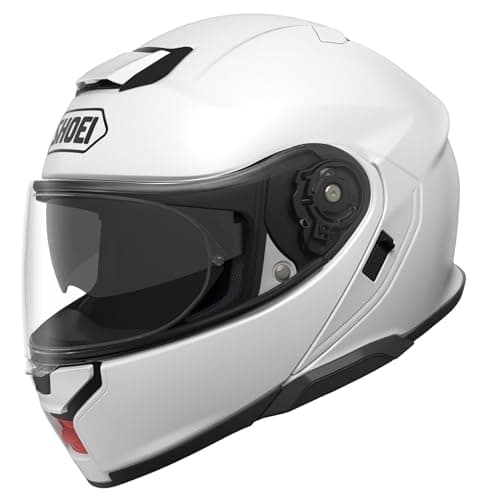 See price on AmazonAmazon
Shoei Neotec 3: modular that reduces wind noise
From Best modular motorcycle helmets for touring and commuting