Explainer
When should you replace a motorcycle helmet?
Published
Short answer
Replace a motorcycle helmet after any crash or significant impact, and otherwise about every five years of use, which is the guidance from the Snell Memorial Foundation and many helmet makers. Replace it sooner if the liner is loose, the fit has gone sloppy, the shell is cracked, or the strap and buckle are worn.
Gear for this job
All 8 picks compared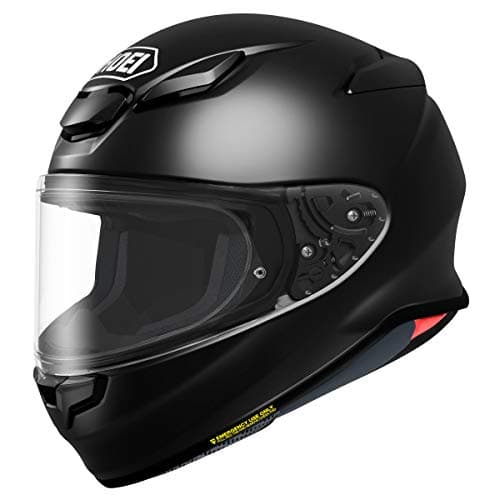
Shoei RF-1400: Snell M2020 and DOT listed
See price on AmazonSee it on Amazon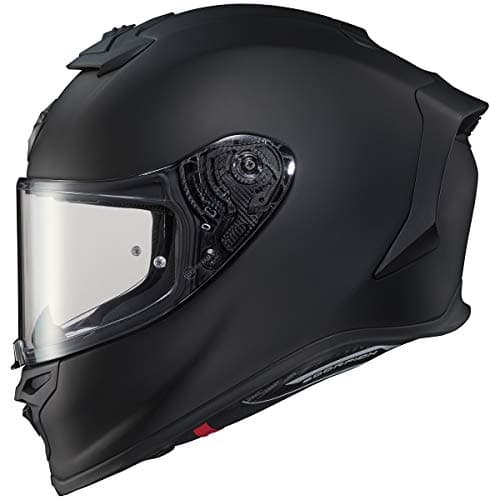
Scorpion EXO-R1 Air: DOT and ECE, 3.05 lb
See price on AmazonSee it on Amazon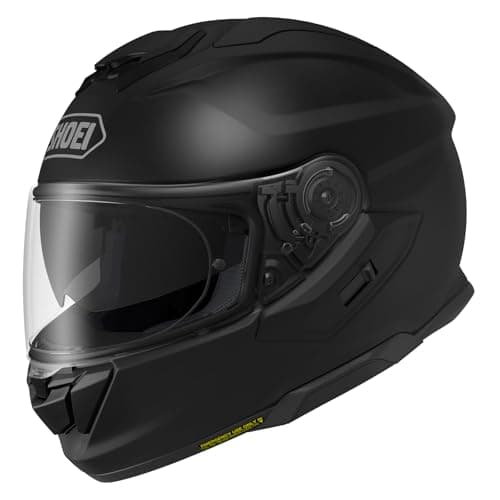
Shoei GT-Air 3: touring full face with sun visor
See price on AmazonSee it on Amazon
Helmets do not come with a printed expiry date, yet most riders have heard the five-year rule. This page explains where that guidance comes from, what actually ages in a helmet, why a single impact can end a helmet's life even if it looks fine, and the practical signs that say it is time. It also covers how to read the manufacture date and how storage and care affect how long a helmet lasts. It is for anyone riding in a helmet that is a few years old or has been dropped.
Where the five-year guidance comes from
The Snell Memorial Foundation, which runs one of the best known voluntary helmet standards, recommends replacing a helmet every five years. Many manufacturers give similar guidance in their owner's manuals. Shoei, for example, recommends replacement five years after purchase, and Arai gives a similar period. Some brands count from the date of manufacture, others from first use, and the numbers vary a little. Check the manual for your helmet.
The reasoning is not that a helmet suddenly stops working on a set date. It is that the comfort liner, glues, resins and padding all degrade with use, sweat, hair oils, cleaning products and UV light, and that helmet design and standards keep improving. Five years is a practical, conservative interval that covers most use.
What actually wears out
A helmet is a system. The outer shell spreads an impact, the EPS foam liner crushes to absorb energy, and the comfort liner and cheek pads hold the helmet in the right position on your head. The retention strap keeps it on. Each of these parts ages differently.
- 1Shell outer layer that spreads an impact and resists abrasion
- 2EPS liner expanded polystyrene foam that crushes to absorb impact
- 3Comfort liner removable, washable fabric layer against the head
- 4Cheek pad sets how snug the helmet sits on the face
- 5Chin bar fixed front section of a full face helmet
- 6Visor clear or tinted shield over the eye port
- 7Visor pivot mount the visor swings on, removable for cleaning
- 8Vents intakes on the chin bar and crown, exhausts at the back
- 9Chin curtain cuts wind and noise under the chin
- 10D-ring strap retention strap fastened through two metal rings
Comfort liner and cheek pads
- What happens over time
- Compress and loosen, so the helmet sits less securely
- Can it be replaced?
- Yes, on most removable-liner helmets
EPS impact liner
- What happens over time
- Crushes permanently in an impact; can be affected by solvents and heat
- Can it be replaced?
- No, replace the helmet
Shell
- What happens over time
- Can crack or delaminate after impacts; paint and clear coat age in UV
- Can it be replaced?
- No
Chin strap and buckle
- What happens over time
- Fraying, stiff or worn D-rings and buckles
- Can it be replaced?
- Usually no, replace the helmet
Visor and seals
- What happens over time
- Scratches, worn pivot mechanisms
- Can it be replaced?
- Yes, as spare parts
| Part | What happens over time | Can it be replaced? |
|---|---|---|
| Comfort liner and cheek pads | Compress and loosen, so the helmet sits less securely | Yes, on most removable-liner helmets |
| EPS impact liner | Crushes permanently in an impact; can be affected by solvents and heat | No, replace the helmet |
| Shell | Can crack or delaminate after impacts; paint and clear coat age in UV | No |
| Chin strap and buckle | Fraying, stiff or worn D-rings and buckles | Usually no, replace the helmet |
| Visor and seals | Scratches, worn pivot mechanisms | Yes, as spare parts |
Replace it after any crash or hard impact
The EPS liner is designed to absorb one impact by crushing. Once it has crushed, it does not spring back, and that area offers much less protection the next time. The damage is often invisible from the outside. A shell can look perfect while the foam beneath it is compressed.
That is why helmet makers say to replace a helmet after a crash in which your head hit anything, and many say the same after a hard drop onto pavement, especially with a head inside or from a height. A tip off a seat onto grass is different from a fall off a moving bike onto concrete. If you are unsure, many manufacturers will inspect a helmet, and our page on a motorcycle helmet after a crash goes deeper.
Note.Do not buy or ride a used helmet with an unknown history. You cannot see whether its EPS liner has already absorbed an impact.
Signs you need a new helmet sooner
Run the fit checks from how should a motorcycle helmet fit once a season. A helmet that has gone loose is less likely to stay in position in a crash, even if nothing else is wrong with it.
- It has been in a crash or taken a hard hit
- The helmet now moves or rolls when you do the twist and roll-off checks
- Cheek pads and crown liner are flattened and new pads no longer fix the fit
- Cracks, dents or soft spots in the shell, or bits of EPS crumbling inside
- Frayed strap, rusted or bent D-rings, or a buckle that does not latch firmly
- The helmet has been exposed to fuel, solvents or strong cleaners
- It has been stored somewhere very hot, like a car trunk in summer, for long periods
How to find your helmet's age
Most helmets have a manufacture date on a sticker under the comfort liner, on the chin strap, or stamped inside the EPS liner. It is often shown as a month and year or a small date wheel. The ECE label on the chin strap carries an approval number and a production serial. A DOT label on the back of the shell does not usually show a date.
If you bought the helmet new, keep the receipt with the manual. That gives you the purchase date many makers count from. If the helmet sat on a shelf for a while before you bought it, that shelf time matters less than your riding time, but it still counts toward the materials' age.
Making a helmet last its full life
Store the helmet indoors, at room temperature, away from fuel cans and solvents, and not hanging off a mirror where it can fall. Wash the removable liner regularly with mild soap; sweat and oils break down padding. Clean the shell with water and a mild cleaner, never with petroleum-based products. See how to store a motorcycle helmet and how to clean a motorcycle helmet.
When it is time to replace, use the occasion to check whether your size or head shape advice has changed, and look at current models certified to the newer ECE 22.06 standard as well as DOT. The best full face motorcycle helmets guide is a good starting point, and how much a good helmet costs explains what extra money buys.
Frequently asked questions
Do motorcycle helmets really expire? There is no legal expiry date. The common five-year replacement interval is guidance from Snell and many manufacturers, based on materials aging and liners compressing with use.
Should I replace my helmet if I dropped it? If it fell from a seat onto soft ground, inspect it and it is often fine. If it hit hard pavement from height, or with your head inside, follow the manufacturer's guidance, which is usually to replace or have it inspected.
Is an unused helmet in its box still good after five years? It has seen less wear than a used one, but materials still age. Check the manufacture date and the maker's guidance before relying on it.
Can I just replace the liner instead of the helmet? Replacing the comfort liner and cheek pads restores fit. It does not restore a crushed EPS liner or an aged shell, so it does not reset the helmet's life after an impact.
What you need for this
- See price on AmazonAmazon
Shoei RF-1400: quieter shell, SNELL M2020 and DOT
From Best full face motorcycle helmets for street and sport touring
 See price on AmazonAmazon
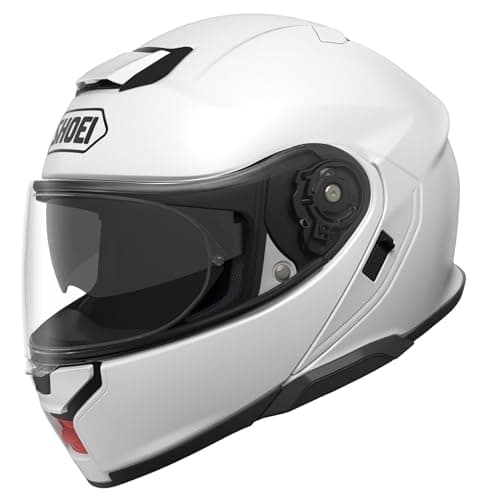
Shoei Neotec 3: modular that reduces wind noise
From Best modular motorcycle helmets for touring and commuting