Explainer
How motorcycle airbag vests work
Published
Short answer
A motorcycle airbag vest has an inflatable bladder that fills with gas from a cartridge when a crash is detected. Tethered vests fire when a lanyard clipped to the bike is pulled hard as you separate from it. Electronic vests use sensors and software to detect a crash and inflate without a tether. Both inflate in a fraction of a second to cushion the chest, back and neck.
Gear for this job
All 8 picks compared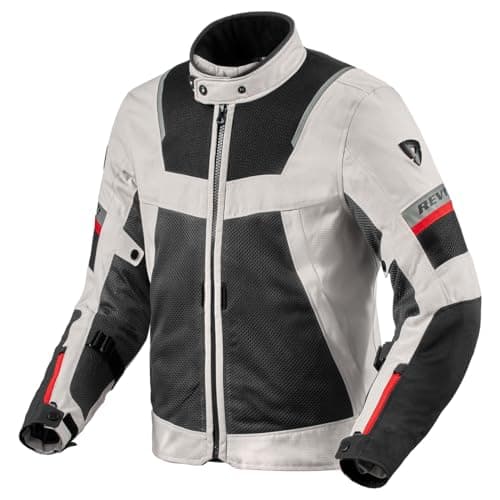
REV'IT! Tornado 4 H2O: Level 2 armor, 3-season liners
See price on AmazonSee it on Amazon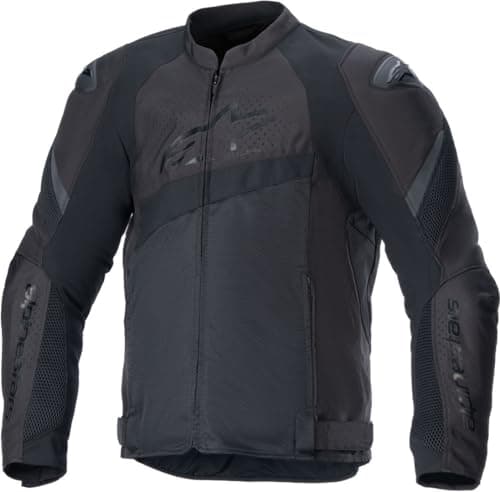
Alpinestars T-GP Plus V4 Airflow: hot-weather mesh
See price on AmazonSee it on Amazon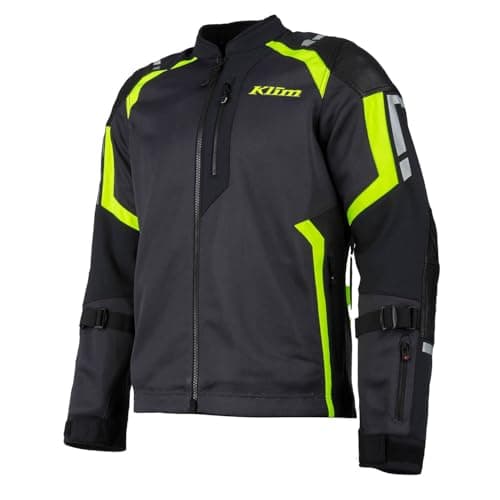
KLIM Induction Pro: D3O Level 2 at back, shoulders, elbows
See price on AmazonSee it on Amazon
Airbag vests and airbag jackets have moved from racing into everyday street gear. This page explains how they work: the two trigger types, how fast they inflate, what parts of the body they cover, how they are rearmed after firing, and the standards and limits to know about. It is factual and brand-neutral, for riders deciding whether an airbag is worth adding to their gear and which type suits them.
The basic parts of an airbag vest
Every motorcycle airbag system has three parts: a trigger that decides when to fire, a gas source that fills the bag, and the inflatable bladder itself, sewn into a vest or jacket. Most systems use a compressed gas cartridge, often CO2, or a pyrotechnic gas generator. When triggered, the gas fills the bladder, which becomes a firm cushion around the torso and neck.
The vest is worn over or built into a riding jacket. Some are standalone vests that go over any jacket; others are integrated into specific jackets from the same brand. Either way, the airbag adds to armor; it does not replace back, shoulder and elbow protection. See motorcycle armor CE levels for how armor is rated.
Tethered (mechanical) airbag vests
A tethered vest connects to the motorcycle with a lanyard, usually clipped to the frame. If you are thrown from the bike, the lanyard pulls tight, and once the pull passes a set force it releases a firing pin that punctures the gas cartridge. The bag inflates as you leave the bike.
Tethered systems are simple, need no charging and no software, and are generally the lower cost option. The trade-offs are that you must remember to clip in and unclip every time you get on or off, and the vest only fires when you separate from the bike far enough to pull the lanyard. In a crash where you stay on the bike, such as some impacts with a car, it may fire late or not at all.
Electronic airbag vests
Electronic systems carry sensors in the vest, typically accelerometers and gyroscopes, and some use GPS. Software analyzes the motion many times per second and fires the airbag when it recognizes a crash pattern, including a highside, lowside or impact. There is no tether, so you just zip up and ride.
They need charging, the detection logic is set by the maker, and some can be updated or have modes for street, track or off-road. Electronic vests can fire before you leave the bike in some crash types. They generally cost more, and some systems are sold with a subscription or paid activation model. Check what the price includes.
Trigger
- Tethered
- Lanyard pulled from the bike
- Electronic
- Sensors and software
Charging
- Tethered
- None
- Electronic
- Battery, charge regularly
Clip in to bike
- Tethered
- Yes, every ride
- Electronic
- No
Can fire before separation
- Tethered
- No
- Electronic
- In some crash types
Rearm after firing
- Tethered
- Usually replace cartridge yourself
- Electronic
- Varies: cartridge swap or factory service
Typical cost
- Tethered
- Lower
- Electronic
- Higher, sometimes with subscription
| Tethered | Electronic | |
|---|---|---|
| Trigger | Lanyard pulled from the bike | Sensors and software |
| Charging | None | Battery, charge regularly |
| Clip in to bike | Yes, every ride | No |
| Can fire before separation | No | In some crash types |
| Rearm after firing | Usually replace cartridge yourself | Varies: cartridge swap or factory service |
| Typical cost | Lower | Higher, sometimes with subscription |
How fast they inflate and what they cover
Both types inflate in a fraction of a second, which makers state in milliseconds on their spec sheets. Electronic systems may start inflating earlier because they detect the crash rather than waiting for the tether to tighten.
Coverage depends on the design. Most vests protect the back and spine, chest and ribs, and many add the neck and collarbone area, and some cover the hips or abdomen. A neck collar section helps limit extreme head movement. Look at the maker's coverage diagram, and check that the vest fits closely, because a loose vest leaves gaps when inflated.
- Back and spine
- Chest and ribs
- Neck and collarbone (on many designs)
- Kidney and hip area (on some designs)
After the airbag fires
Once inflated, the bag slowly deflates over time so you can move. If you have crashed, get checked for injuries before worrying about the gear.
Rearming varies. Many tethered vests are rearmed by the rider: replace the gas cartridge, reset the trigger and check the bag for damage. Some electronic systems use a user-replaceable cartridge, while others must go back to the maker or a dealer for service. Check rearm cost and process before you buy. A false trigger, such as forgetting to unclip a tether before stepping off, also needs a cartridge replacement, so keep a spare if your system allows it.
Note.Follow the maker's instructions for inspection, cartridge expiry and service intervals. Do not modify the trigger or use non-approved cartridges.
Standards and limits
In Europe, motorcycle airbags can be certified to EN 1621-4 for mechanically activated airbag protectors, and some electronic systems have their own test protocols. Look for certification details in the product information. An airbag certification covers how the airbag inflates and absorbs impact, not the abrasion resistance of the vest.
Airbags help most in impacts with the ground, objects or vehicles that hit the torso. They do not protect your head, arms or legs, and they do not replace a good helmet, gloves and boots. Wear them with a full set of gear: see the best armored motorcycle jackets, and add a proper back protector insert if your jacket only has a foam pad.
Frequently asked questions
Do motorcycle airbag vests really work? They are designed and tested to reduce impact forces to the torso and neck. Like all protective gear, they lower risk; they do not prevent all injury.
Can I wear an airbag vest over any jacket? Many standalone vests are designed to go over a riding jacket. Check the size guidance so the vest fits snugly over your jacket.
What happens if I forget to unclip a tethered vest? It will inflate as you step away. It is harmless but you will need to rearm it with a new cartridge.
Is an airbag better than a back protector? They do different jobs. Many riders wear both: a CE Level 2 back protector and an airbag vest.
What you need for this
- See price on AmazonAmazon
REV'IT! Tornado 4 H2O: Level 2 armor, 3-season liners
From Best armored motorcycle jackets by season and armor level
 See price on AmazonAmazon
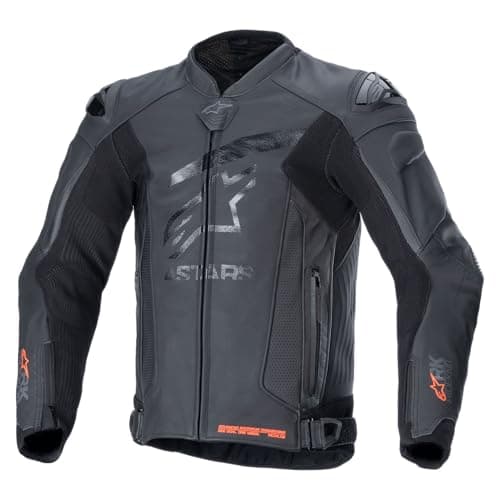
Alpinestars GP Plus R V4 Rideknit: race fit, Tech-Air ready
 See price on AmazonAmazon
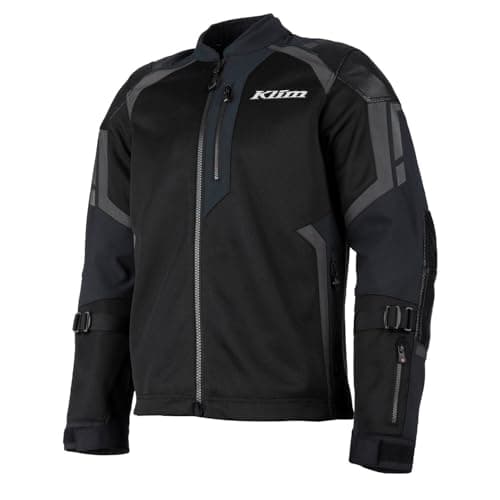
KLIM Induction Pro: D3O CE Level 2, Cordura