How-to
How to replace a motorcycle helmet visor
Published
Short answer
On most modern helmets, you open the visor fully, press or pull a release lever on the side mechanism, and lift the visor off the pivot, then do the same on the other side. Fitting a new visor is the reverse: line it up with the mechanism, push until it clicks, and check it opens and seals. Arai's system is different and needs the side pods removed, so follow Arai's instructions closely.
Gear for this job
All 6 picks compared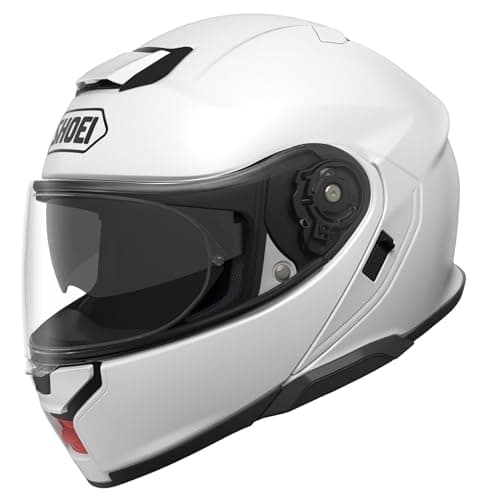
Shoei Neotec 3: flip-up modular with sun visor
See price on AmazonSee it on Amazon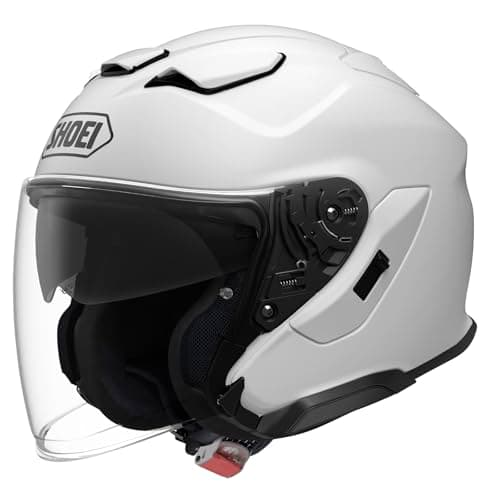
Shoei J-Cruise 3: open face, ECE 22.06 listed
See price on AmazonSee it on Amazon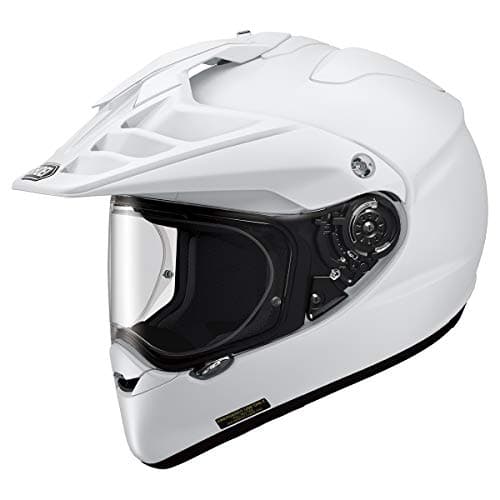
Shoei Hornet X2: adventure, Snell M2020D, 3.99 lb
See price on AmazonSee it on Amazon
Helmet visors, also called shields, get scratched, pitted and hazed over time, and many riders keep a clear and a dark visor to swap between. The good news is that most current helmets have tool-free quick-release mechanisms. The bad news is that each brand's mechanism is different, and forcing the wrong part can snap a plastic pivot. This page explains the general method, the main differences between Shoei, Arai, HJC and Bell systems, how to fit a Pinlock insert to the new visor, and how to make sure the new visor seals. Always check your helmet's manual, since mechanisms change between models and generations.
Before you start
Buy the visor made for your exact helmet model. Visors are model-specific: a Shoei CWR-F2 visor fits certain Shoei models, an HJC HJ-series visor fits only the HJC helmets listed for it, and so on. The visor code is usually in the manual, on the product page, or printed on the edge of your current visor.
Work on a soft surface like a towel on a table, with the helmet resting on its side or upside down so it cannot roll. Clean your hands so you do not leave grease on the new visor.
- 1Shell outer layer that spreads an impact and resists abrasion
- 2EPS liner expanded polystyrene foam that crushes to absorb impact
- 3Comfort liner removable, washable fabric layer against the head
- 4Cheek pad sets how snug the helmet sits on the face
- 5Chin bar fixed front section of a full face helmet
- 6Visor clear or tinted shield over the eye port
- 7Visor pivot mount the visor swings on, removable for cleaning
- 8Vents intakes on the chin bar and crown, exhausts at the back
- 9Chin curtain cuts wind and noise under the chin
- 10D-ring strap retention strap fastened through two metal rings
- Correct replacement visor for your model
- Soft towel or helmet stand
- Microfiber cloth
- Your helmet's manual, or the brand's instructions online
The general method for quick-release visors
Most modern helmets from Shoei, HJC, Bell, Scorpion and others use a spring-loaded base plate on each side. The visor clips onto the base plate, and a lever or button releases it. The visor usually has to be fully open, or in a specific position, before it will release.
- 1
Open the visor fully.
- 2
Find the release lever or button on one side mechanism, usually at the front edge or bottom of the base plate.
- 3
Press or pull the release and gently lift that side of the visor away from the helmet.
- 4
Repeat on the other side and remove the visor.
- 5
To fit the new visor, open the release on one side if needed, line up the visor's mounting holes or tabs with the base plate, and press until it clicks.
- 6
Repeat on the other side, then open and close the visor several times to check it moves smoothly and locks.
Note.If the visor will not release, stop and check the manual. Forcing it is the most common way to crack a visor or break the base plate.
Shoei visors
Shoei's current full face helmets use a quick-release base plate system. With the visor fully open, you pull the release lever on the base plate and lift the visor away, one side at a time. To fit, line the visor up with the base plate and press it in until it clicks. Shoei also lets you adjust the base plate position on many models to fine-tune how the visor seals against the eye port gasket.
The exact visor and base plate differ between models, so buy the visor listed for your helmet, such as the RF-1400, GT-Air 3 or Neotec 3. See our Shoei helmet guide for the current lineup.
Arai visors
Arai uses a different design, where side pods (pivot covers) cover the visor mechanism. On Arai's VAS-equipped helmets, the side pods must be released before the visor comes off, and the visor then lifts out of the pivot. The pods use small tabs that can break if pulled the wrong way, so many riders find Arai visor changes fiddly the first time.
Follow Arai's own instructions for your model, which are in the manual and on Arai's website. Work slowly, release the pod tabs in the order shown, and keep track of which pod goes on which side. With practice, the change takes only a few minutes. For more on Arai models, see our Arai helmet guide.
Note.Arai side pods are model-specific and can be lost or broken. Do the change indoors over a towel, and buy spare pods if you change visors often.
HJC and Bell visors
HJC's current helmets use tool-free quick-release shield systems on many models. With the shield open, you pull or press a release lever on the side mechanism and pull the shield away, then do the other side. The shield code, such as HJ-40 for the RPHA 71 or HJ-38 for the i71 and F71, tells you which shields fit.
Bell's street helmets use Bell's own Click Release shield system on many models, where you open the shield, operate the release on the side mechanism, and pull the shield free. Bell's retro and open face helmets, like the Custom 500 and Bullitt, use snaps or a different shield design, so check the manual. See our HJC and Bell guides for model details.
Shoei
- Typical system
- Quick-release base plate
- Key tip
- Visor fully open, pull base plate lever
Arai
- Typical system
- Side pods over pivot (VAS on many models)
- Key tip
- Follow Arai's pod release order
HJC
- Typical system
- Quick-release side mechanism
- Key tip
- Match the HJ shield code to your helmet
Bell
- Typical system
- Click Release on many street models
- Key tip
- Retro models use different shields
| Brand | Typical system | Key tip |
|---|---|---|
| Shoei | Quick-release base plate | Visor fully open, pull base plate lever |
| Arai | Side pods over pivot (VAS on many models) | Follow Arai's pod release order |
| HJC | Quick-release side mechanism | Match the HJ shield code to your helmet |
| Bell | Click Release on many street models | Retro models use different shields |
After fitting: Pinlock and seal check
If your new visor is Pinlock-ready, it has two small pins on the inside. Fit the Pinlock insert between the pins before using the visor; see how to install a Pinlock insert. A Pinlock insert is one of the most effective ways to prevent fogging, covered in motorcycle helmet visor fogging.
Close the visor and check it seals evenly against the rubber gasket around the eye port, with no visible gaps. A poor seal lets in wind noise and rain. If you are considering a light-changing visor, see photochromic helmet visors.
Note.Dark tinted visors reduce visibility at dusk and at night. Carry a clear visor if you might ride after dark, and check local laws on visor tint.
Frequently asked questions
Are motorcycle helmet visors universal? No. Visors are made for specific helmet models or families. Check the visor code for your helmet before buying.
How often should I replace my visor? Replace it when scratches, haze or pitting affect your vision, especially at night when scratches cause glare from headlights.
How do I clean a visor without scratching it? Soak it with a damp microfiber cloth to soften bugs, then wipe gently. Avoid paper towels and harsh chemicals. See how to clean a motorcycle helmet.
Why will my new visor not seal properly? It may not be fully clicked in, or the base plate may need adjustment. Refit it and check the manual for base plate adjustment.
What you need for this
- See price on AmazonAmazon
Shoei Neotec 3: modular that reduces wind noise
 See price on AmazonAmazon
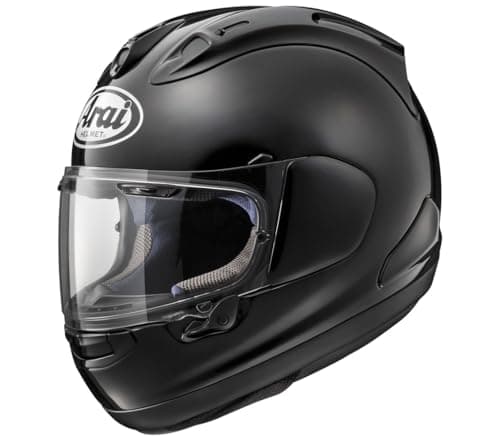
Arai Corsair-X: intermediate oval, PB-SNC2 shell
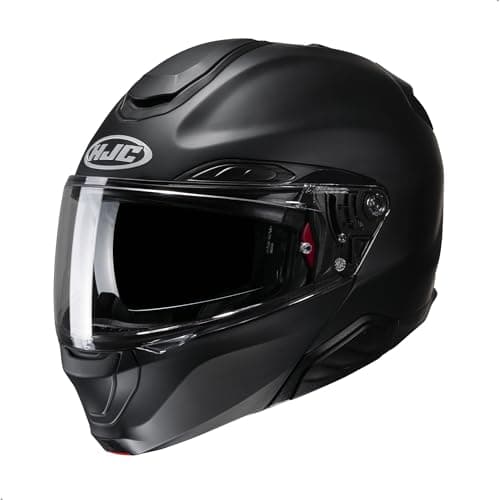 See price on AmazonAmazon
HJC RPHA 91: carbon hybrid modular, 5 intakes
From Best HJC motorcycle helmets: RPHA, F and i-series compared
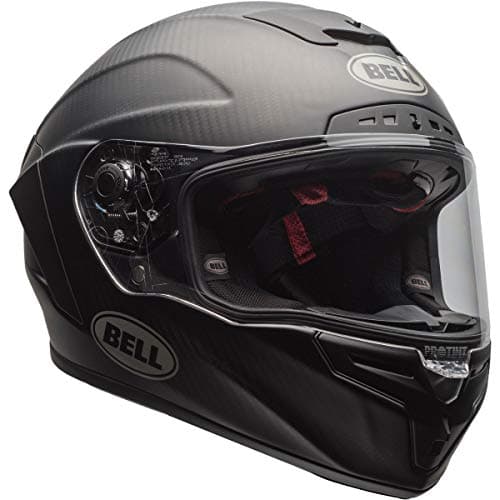 See price on AmazonAmazon
Bell Race Star DLX Flex: 3K carbon, 5 shell sizes
From Best Bell motorcycle helmets, from Qualifier to Race Star