Explainer
Photochromic and transition helmet visors explained
Published
Short answer
A photochromic visor contains molecules that darken when exposed to ultraviolet light and fade back to clear when the UV is gone. That gives you a clear visor at night and a tinted one in sun without swapping. They darken in seconds but clear more slowly, and they get darker in cold weather and lighter in heat. Check your state's rules on tinted visors.
Gear for this job
All 6 picks compared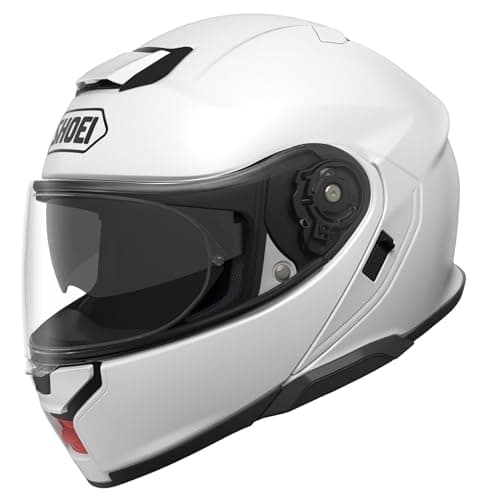
Shoei Neotec 3: flip-up modular with sun visor
See price on AmazonSee it on Amazon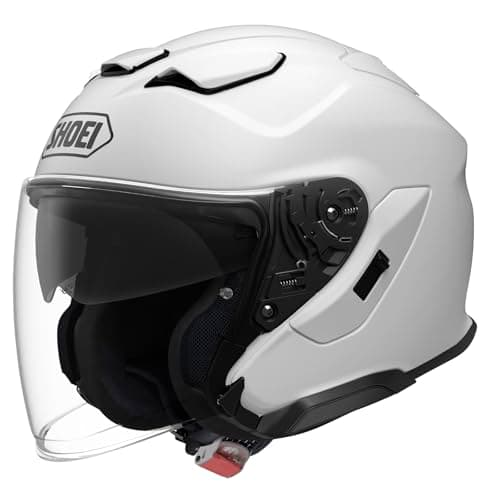
Shoei J-Cruise 3: open face, ECE 22.06 listed
See price on AmazonSee it on Amazon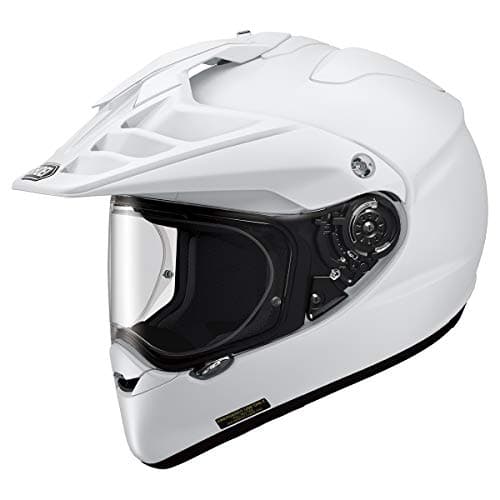
Shoei Hornet X2: adventure, Snell M2020D, 3.99 lb
See price on AmazonSee it on Amazon
Photochromic visors, including Shoei's Transitions visors, promise one visor for day and night. This page explains how they work, how fast they darken and clear, why temperature changes their behavior, how they compare with tinted visors and drop-down sun visors, and what the law says about tint. It is for riders tired of carrying a spare visor or getting caught out at dusk with a dark one.
How photochromic visors work
Photochromic lenses contain special dye molecules that change shape when hit by ultraviolet light. In their new shape they absorb more visible light, so the visor darkens. When the UV goes away, the molecules return to their original shape and the visor clears. Transitions is a well known brand of this technology, and Shoei sells Transitions photochromic visors for several of its helmets.
Because the trigger is UV, not visible light, the visor responds to sunlight outdoors, including on overcast days when UV still gets through clouds. It does not darken from artificial light at night, and it may darken less behind a tall windscreen that blocks some UV.
How fast they change
Darkening is quick, usually within seconds to tens of seconds in bright sun. Fading back to clear is slower and can take a minute or more. That matters when you ride from bright sun into a tunnel or a dark forest road: the visor may still be partly tinted for a while.
Makers publish the light ranges their photochromic visors move between, from nearly clear to a medium tint. Even fully darkened, many photochromic visors are not as dark as a dedicated dark smoke visor. Check the specifications for the visor you are considering.
Bright sun, cool day
- What the visor does
- Darkens quickly and fully
Bright sun, hot day
- What the visor does
- Darkens less
Overcast
- What the visor does
- Partial tint from UV through cloud
Entering a tunnel
- What the visor does
- Clears gradually, not instantly
Night or indoors
- What the visor does
- Clear
Behind a tall screen
- What the visor does
- May darken less if UV is blocked
| Condition | What the visor does |
|---|---|
| Bright sun, cool day | Darkens quickly and fully |
| Bright sun, hot day | Darkens less |
| Overcast | Partial tint from UV through cloud |
| Entering a tunnel | Clears gradually, not instantly |
| Night or indoors | Clear |
| Behind a tall screen | May darken less if UV is blocked |
Why temperature matters
Photochromic dyes are temperature sensitive. In cold weather they darken more and fade back more slowly. In hot weather they darken less, because heat speeds up the return to clear. That means on a hot, sunny summer day, when you most want shade, a photochromic visor may not get as dark as you expect, while on a cold, bright winter morning it can be quite dark and slow to clear.
This is normal behavior for the technology, not a defect. Riders in hot climates sometimes keep a dark tinted visor for summer and use the photochromic visor in spring and fall.
Note.In cold weather, allow for the slower fade when riding from sun into shade or at dusk. Open the visor or slow down until it clears.
Photochromic vs tinted visor vs drop-down sun visor
Many touring and modular helmets have an internal sun visor, which some riders prefer for its instant control. Others prefer a clean, single-layer view and choose a helmet without one, then use a photochromic visor. See the best modular motorcycle helmets for helmets with drop-down visors and the best Shoei helmets for models that take Shoei's photochromic visors.
Photochromic visor
- Pros
- One visor for day and night; automatic
- Cons
- Slower to clear; less dark in heat; higher cost
Dark tinted visor
- Pros
- Very dark and consistent
- Cons
- Unsafe and often not legal at night; must swap
Internal drop-down sun visor
- Pros
- Flip down and up instantly
- Cons
- Not on all helmets; adds a layer to look through
Sunglasses
- Pros
- Cheap, flexible
- Cons
- Fit under helmet; fogging; swap at dusk
| Option | Pros | Cons |
|---|---|---|
| Photochromic visor | One visor for day and night; automatic | Slower to clear; less dark in heat; higher cost |
| Dark tinted visor | Very dark and consistent | Unsafe and often not legal at night; must swap |
| Internal drop-down sun visor | Flip down and up instantly | Not on all helmets; adds a layer to look through |
| Sunglasses | Cheap, flexible | Fit under helmet; fogging; swap at dusk |
Are tinted visors legal?
Rules on tinted visors vary by state. Some states restrict tinted face shields, especially at night, and some set minimum light transmission levels. DOT FMVSS 218 covers the helmet itself; it is your state's laws that address visor tint while riding. Check your state's motor vehicle code or DMV guidance.
Outside the US, ECE 22.06 sets light transmission rules for visors, and darker visors are marked as daytime-use only. A photochromic visor is clear in its resting state, which is one reason many riders choose it over a dark visor. Fit only visors made for your helmet model.
Care and compatibility
Clean a photochromic visor like any visor: water and a mild soap, a soft microfiber cloth, no solvents. Many are Pinlock-ready; use a clear Pinlock insert so it does not add tint at night, and check the Pinlock does not block the UV the visor needs, following the maker's guidance. See motorcycle helmet visor fogging and how to replace a helmet visor.
Photochromic visors are made for specific helmet models and visor bases, so check fitment before buying. For more on choosing a helmet with good visor options, see the best full face motorcycle helmets.
Frequently asked questions
How long does a photochromic visor take to clear? It darkens in seconds but takes longer to clear, often a minute or more, and longer in cold weather.
Do Transitions visors work in hot weather? Yes, but they darken less in heat because high temperatures speed up the return to clear.
Is a photochromic visor legal at night? It is clear at night, since there is no UV to trigger it. Check your state's rules on visor tint for daytime riding.
Do photochromic visors work behind a windscreen? A tall screen can block some UV, so the visor may darken less when you sit behind it.
What you need for this
- See price on AmazonAmazon
Shoei Neotec 3: modular that reduces wind noise
 See price on AmazonAmazon
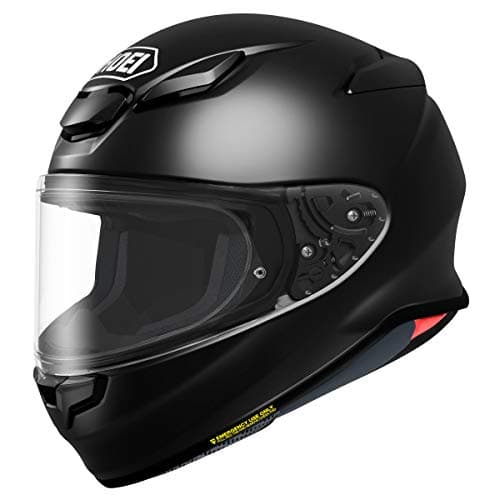
Shoei RF-1400: quieter shell, SNELL M2020 and DOT
From Best full face motorcycle helmets for street and sport touring