Fix
Motorcycle helmet too tight or causing hot spots
Published
Short answer
Even, firm pressure on the cheeks and crown is normal in a new helmet and usually eases as the pads compress over the first weeks of riding. A sharp hot spot on the forehead, temples or back of the head is different: it usually means the helmet's internal shape does not match your head. Try thinner cheek pads or a different crown liner first, and if a focused pressure point remains after 30 minutes, exchange it for a helmet with a different shape.
Gear for this job
All 8 picks compared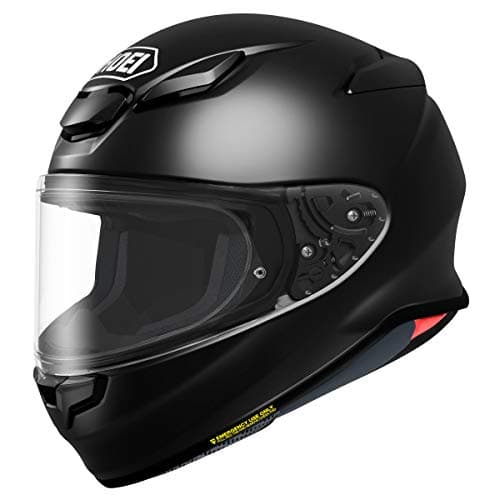
Shoei RF-1400: Snell M2020 and DOT listed
See price on AmazonSee it on Amazon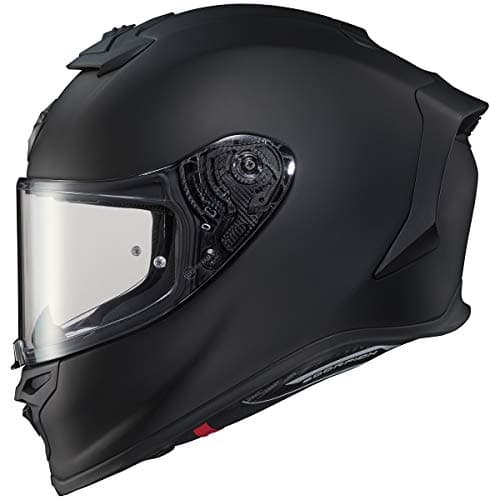
Scorpion EXO-R1 Air: DOT and ECE, 3.05 lb
See price on AmazonSee it on Amazon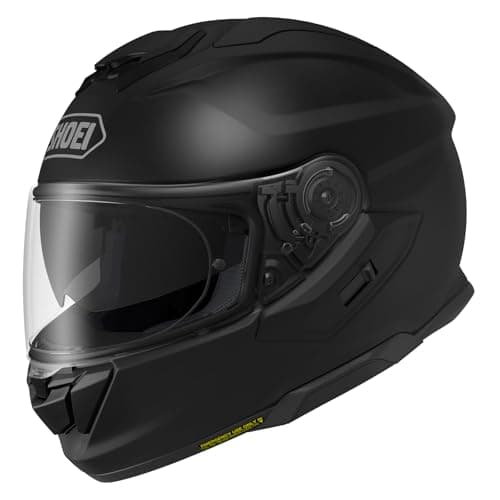
Shoei GT-Air 3: touring full face with sun visor
See price on AmazonSee it on Amazon
This page is for riders whose helmet hurts. Maybe it is a new helmet that gives you a headache after an hour, a red line across your forehead, or ears folded flat against your head. Some of that discomfort is normal break-in and some of it is a sign you have the wrong shell shape or size. We cover how to tell the difference, the fixes that are safe to try at home, what you should never do to a helmet liner, and when the only real fix is a different helmet. If you are still shopping, start with our helmet size chart.
Normal snug fit versus a real problem
A correctly sized helmet should feel tighter than most people expect. Your cheeks should be pushed up slightly, and the helmet should not slide when you twist the chin bar. That snug feeling is what keeps the helmet in place at speed and in a crash.
What is not normal is pain that builds over time in one specific spot. A hot spot is a small area that carries more pressure than the rest of the head. It often shows as a red mark after you take the helmet off and can bring on a headache within 20 to 60 minutes of riding.
Pressure on the cheeks only
- Likely cause
- Normal new pads
- First thing to try
- Ride it for a few weeks; consider thinner cheek pads
Red line across the forehead
- Likely cause
- Head is longer front to back than the helmet shape
- First thing to try
- Try a long oval or intermediate oval model
Pressure at the temples or sides
- Likely cause
- Head is rounder than the helmet shape
- First thing to try
- Try a rounder model
Pressure on the crown
- Likely cause
- Crown liner too thick or size too small
- First thing to try
- Thinner crown liner or next size up
Ears folded or painful
- Likely cause
- Ear pocket position or tight cheek pads
- First thing to try
- Reposition ears, check ear pocket depth
Pain at the back of the skull
- Likely cause
- Shape mismatch or neck roll too tight
- First thing to try
- Check shape; try a different neck roll if sold
| Symptom | Likely cause | First thing to try |
|---|---|---|
| Pressure on the cheeks only | Normal new pads | Ride it for a few weeks; consider thinner cheek pads |
| Red line across the forehead | Head is longer front to back than the helmet shape | Try a long oval or intermediate oval model |
| Pressure at the temples or sides | Head is rounder than the helmet shape | Try a rounder model |
| Pressure on the crown | Crown liner too thick or size too small | Thinner crown liner or next size up |
| Ears folded or painful | Ear pocket position or tight cheek pads | Reposition ears, check ear pocket depth |
| Pain at the back of the skull | Shape mismatch or neck roll too tight | Check shape; try a different neck roll if sold |
Give the pads time to break in
The foam in cheek pads and comfort liners compresses with heat and use. Many riders find a new helmet feels noticeably roomier after a few weeks of regular riding. This only applies to the soft padding. The hard EPS foam liner under the pads does not break in, and it is what shapes the helmet around your head.
To speed up break-in safely, wear the helmet around the house for 20 to 30 minutes at a time, several times a day. Keep the tags on if you might still return it. If the discomfort is spread across the cheeks and eases a little each session, it is break-in. If it stays in one spot and gets worse, it is not.
Fixes that are safe to try
Most premium helmet brands sell replacement cheek pads and crown liners in several thicknesses. Swapping a 35 mm cheek pad for a 30 mm one, for example, can relieve jaw and cheek pressure without changing the shell. Some brands, including Shoei, offer fitting services at certified dealers where pads are swapped to suit your head.
If your helmet came with removable comfort liners or optional pads, check the manual before buying anything. Many helmets ship with the standard pads for that size, and the alternatives are listed in the parts catalog.
- 1
Confirm the size: measure your head again and compare with the brand chart for your exact model.
- 2
Check the liner is installed correctly. A crown liner tab that is not snapped in can create a lump.
- 3
Make sure your ears sit inside the ear pockets and are not folded.
- 4
Try thinner cheek pads from the helmet maker if the pressure is on the cheeks or jaw.
- 5
Try a thinner crown or center pad if the pressure is on top of the head.
- 6
If a forehead or temple hot spot remains, exchange the helmet for one with a different internal shape.
Note.Never cut, sand, or carve the EPS liner, and do not heat the helmet to stretch it. The EPS liner is what absorbs impact energy, and changing it can reduce protection. Hair dryers, hot cars and ovens can also damage the shell and adhesives.
When the shell shape is simply wrong
Helmets are built around head forms of different proportions. Long oval helmets are longer front to back and narrower at the sides. Round oval helmets are wider at the sides and shorter front to back. Intermediate oval sits between the two and is the most common shape in North America.
If your head is long oval and you buy an intermediate or round helmet in the size that matches your circumference, the front and back of your head will touch first. That gives the classic forehead hot spot. Going up a size removes the pressure but leaves gaps at the sides, so the helmet moves around. The right fix is a helmet built on a longer shape. Our guide to motorcycle helmet head shapes explains how to check yours and which brands lean which way.
Long oval
Fewer models; some makers sell long oval lines, such as Arai's Signet-X.
Intermediate oval
The most common shape; most models from the big brands target it.
Round oval
Fewer models; check each maker's fit notes for rounder lines.
Should you just go up a size?
Only if the helmet is tight all over. A helmet that is too small overall gives pressure at the forehead, the back and the crown together, and it may be hard to pull on at all. In that case, the next size up is often right.
If the pressure is in one spot only, a bigger size usually trades one problem for another. The helmet becomes loose elsewhere, rolls forward at speed, and lets in more wind noise. A helmet that moves on your head can also shift in a crash. Read how a motorcycle helmet should fit for the checks to run before you decide.
Glasses, intercoms and other causes
Not every hot spot comes from the helmet itself. Glasses arms pressed against the temples are a common cause of side-of-head pain. Some helmets have glasses channels in the cheek pads; see motorcycle helmets with glasses for tips.
Intercom speakers can also press on the ears if they sit too far forward or if the ear pockets are shallow. Move the speakers so they sit centered over the ear canal, and use the thinnest spacer that still gives good volume. If you are choosing a helmet with an intercom in mind, look for one with deep speaker pockets, and see our motorcycle intercom guide.
Frequently asked questions
How long does it take for a motorcycle helmet to break in? The soft pads usually loosen noticeably over the first few weeks of regular riding. The amount varies by helmet and how often you ride, and only the comfort padding changes, not the EPS liner.
Why does my helmet hurt my forehead? A forehead hot spot usually means your head is longer front to back than the helmet's internal shape. A more long oval helmet often fixes it, while a bigger size of the same model often does not.
Can I stretch a motorcycle helmet? No. Do not heat or modify the shell or EPS liner. The safe options are thinner pads from the maker or a different model.
Is it OK if my cheeks are squished? Yes, within reason. Firm cheek pressure is expected in a new full face helmet. If it is painful or makes it hard to talk or chew, try thinner cheek pads.
What you need for this
- See price on AmazonAmazon
Shoei RF-1400: quieter shell, SNELL M2020 and DOT
From Best full face motorcycle helmets for street and sport touring
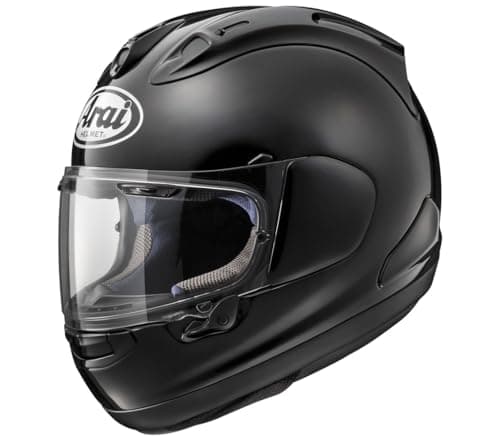 See price on AmazonAmazon
Arai Corsair-X: intermediate oval, PB-SNC2 shell
 See price on AmazonAmazon
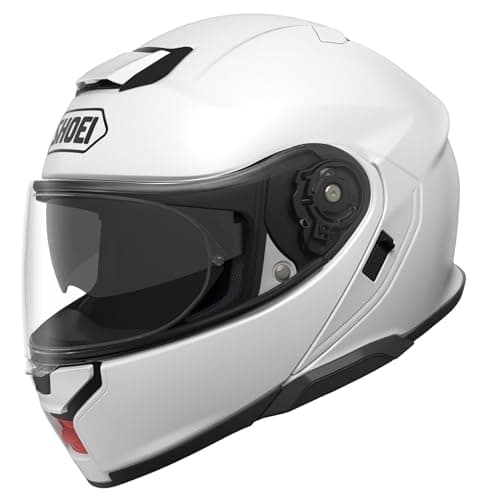
Shoei Neotec 3: modular that reduces wind noise