Explainer
Long oval, intermediate and round oval heads
Published
Short answer
Helmet makers describe head shapes by comparing front-to-back length with side-to-side width. A long oval head is noticeably longer than it is wide, a round oval head is closer to equal, and an intermediate oval sits between them and is the most common shape. Matching the helmet's interior shape to your head matters as much as the size, because the wrong shape causes pressure points or gaps even in the right size.
Gear for this job
All 6 picks compared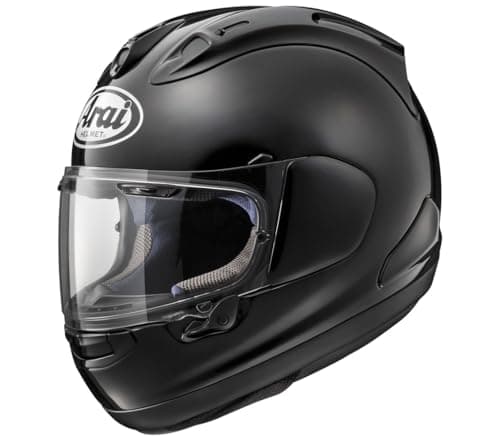
Arai Corsair-X: intermediate oval, PB-SNC2 shell
See price on AmazonSee it on Amazon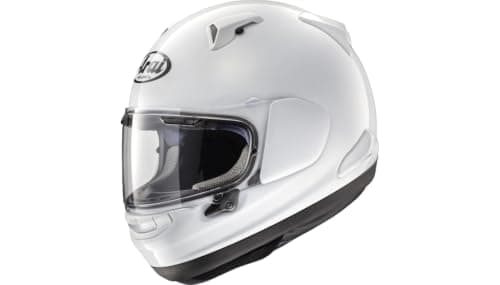
Arai Signet-X: long oval for narrow heads
See price on AmazonSee it on Amazon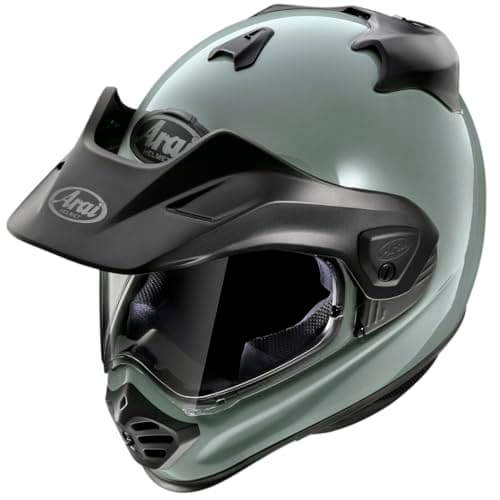
Arai XD-5: adventure helmet with three setups
See price on AmazonSee it on Amazon
Two riders with the same 58 cm measurement can need different helmets. The reason is shape. If you have ever had a helmet press hard on your forehead while it felt loose at the sides, or the reverse, the interior shape was wrong for you. This page explains the three common head shapes helmet makers use, how to work out yours at home, how brands tend to line up, and what to do when your shape is not well served by your favorite brand.
The three shapes in plain terms
Helmet brands talk about three general shapes. Long oval heads are clearly longer from forehead to back than they are from ear to ear. Round oval heads are closer to a circle when seen from above, with the sides filling out more. Intermediate oval heads sit in the middle. Intermediate oval is the most common shape in North America and Europe, which is why most mainstream helmets are built around it.
These labels are a guide, not a medical measurement. Brands draw their own lines between shapes, and some models fall between categories. Still, knowing your rough shape cuts down returns and points you to models that are more likely to fit.
Long oval
Fewer models; some makers sell long oval lines, such as Arai's Signet-X.
Intermediate oval
The most common shape; most models from the big brands target it.
Round oval
Fewer models; check each maker's fit notes for rounder lines.
How to find your head shape at home
The easiest method needs a helper. Look straight down at the top of your head, or have someone take a photo from directly above while you look straight ahead. Pull your hair back or wear a swim cap so the outline is clear. Compare the length from forehead to back with the width just above the ears.
You can also use your fit history. If helmets usually press hard on your forehead and the back of your head, but feel roomy at the sides, you probably have a long oval head. If they squeeze your temples and sides while leaving space at the front and back, you are likely round oval. If most helmets fit without obvious hot spots, you are probably intermediate.
- 1
Pull hair flat or wear a thin cap.
- 2
Have a helper take a photo from directly above your head.
- 3
Compare length (front to back) with width (side to side).
- 4
Cross-check with where past helmets caused pressure.
How brands commonly line up
Brand fit is general and model fit varies, so treat this as a starting point. Arai builds most of its range on an intermediate oval, but the Signet-X is designed for long oval heads and the Quantum-X for rounder heads, which makes Arai unusual in covering all three shapes. Shoei and Bell helmets are commonly described as intermediate oval. HJC is often described as a slightly rounder intermediate fit. AGV is mostly intermediate in its standard versions.
If a brand only fits one shape, look at the model rather than the badge. Our pages on the best Arai helmets and the best Shoei helmets note the intended shape for each model.
Long oval
- Typical sign
- Forehead and back pressure, loose sides
- Models or brands often mentioned
- Arai Signet-X
Intermediate oval
- Typical sign
- Most helmets feel close
- Models or brands often mentioned
- Most Shoei, Bell and Arai models, AGV
Round oval
- Typical sign
- Temple and side pressure, gap at forehead
- Models or brands often mentioned
- Arai Quantum-X, many HJC models
| Shape | Typical sign | Models or brands often mentioned |
|---|---|---|
| Long oval | Forehead and back pressure, loose sides | Arai Signet-X |
| Intermediate oval | Most helmets feel close | Most Shoei, Bell and Arai models, AGV |
| Round oval | Temple and side pressure, gap at forehead | Arai Quantum-X, many HJC models |
What the wrong shape feels like
A helmet that is too round for a long oval head pinches at the forehead. Riders often describe a red line or a headache after 30 minutes. A helmet that is too long for a round head squeezes the temples and the sides, while you can slide a finger in at the forehead. Going up a size does not fix either problem. It just adds gaps elsewhere and lets the helmet move.
Cheek pads can be swapped for thinner or thicker sets on many premium helmets, which helps tune the fit around the jaw. They do not change the crown shape, though, so a forehead hot spot from a shape mismatch usually stays. For more on symptoms, read what to do when a helmet is too tight and how a motorcycle helmet should fit.
Shape, size and buying online
Measure your circumference first using our guide to measuring your head, then pick a model that matches your shape, and finally choose the size from that model's chart. Doing it in that order avoids the trap of ordering a bigger size to fix a shape problem.
Order from a seller with an easy return policy, wear the helmet indoors for at least 20 minutes, and keep the tags on. If you are long oval and want a modular or adventure helmet, note that choices are narrower, so start with the best modular helmets list and read each fit note.
Frequently asked questions
What is the most common head shape? Intermediate oval is the most common in North America and Europe, and most helmets on the market are built around it.
Can foam pads fix a shape mismatch? Thinner or thicker cheek pads can fine-tune the fit around the face, but they do not change the shape of the crown. Forehead or temple pressure from a shape mismatch usually needs a different model.
Does head shape affect the size I need? It can. A long oval rider may find a round helmet tight at the forehead in their measured size. Fix that by choosing a long oval model, not by sizing up.
Do Asian fit helmets mean round oval? Generally yes. Several brands sell Asian fit versions with a rounder interior. Check the listing and size chart for the specific model.
What you need for this
- See price on AmazonAmazon
Arai Corsair-X: intermediate oval, PB-SNC2 shell
 See price on AmazonAmazon
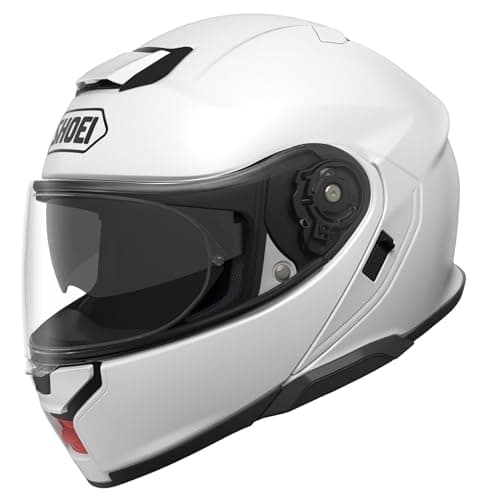
Shoei Neotec 3: modular that reduces wind noise
 See price on AmazonAmazon
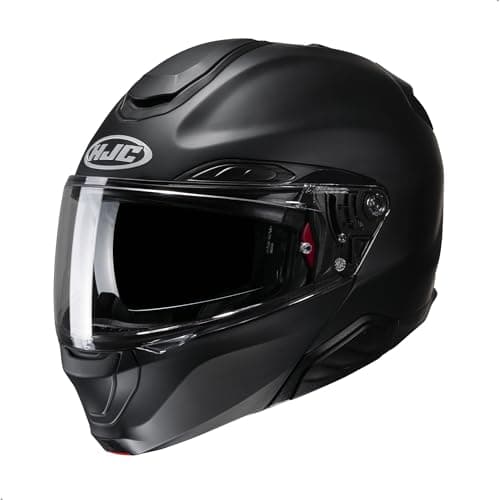
HJC RPHA 91: carbon hybrid modular, 5 intakes
From Best HJC motorcycle helmets: RPHA, F and i-series compared
 See price on AmazonAmazon
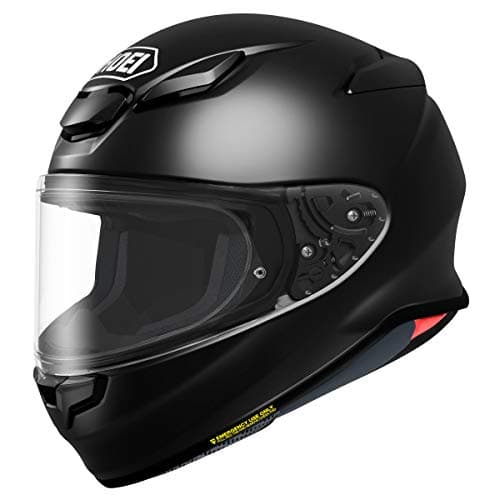
Shoei RF-1400: quieter shell, SNELL M2020 and DOT
From Best full face motorcycle helmets for street and sport touring