Fix
Motorcycle helmet too loud? Wind noise fixes
Published
Short answer
Most helmet wind noise comes from air rushing in under the helmet around your neck and chin, and from turbulence off the windscreen. Fix it in this order: confirm the helmet fits snugly, fit the chin curtain and close gaps at the neck roll, adjust or change your windscreen so clean air hits the helmet, then wear good earplugs every ride.
Gear for this job
All 7 picks compared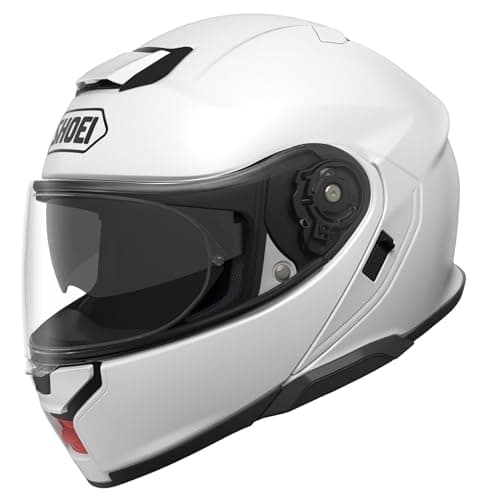
Shoei Neotec 3: modular that reduces wind noise
See price on AmazonSee it on Amazon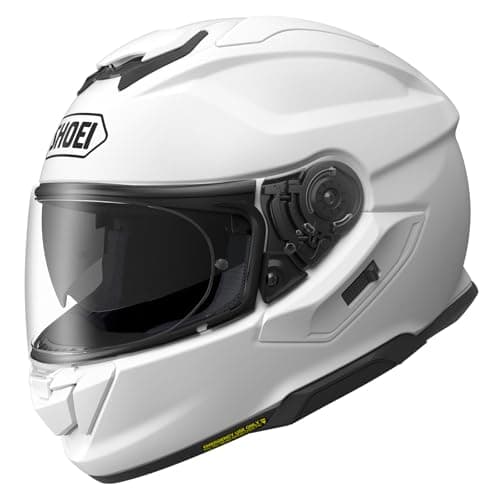
Shoei GT-Air 3: quiet touring shell, Pinlock included
See price on AmazonSee it on Amazon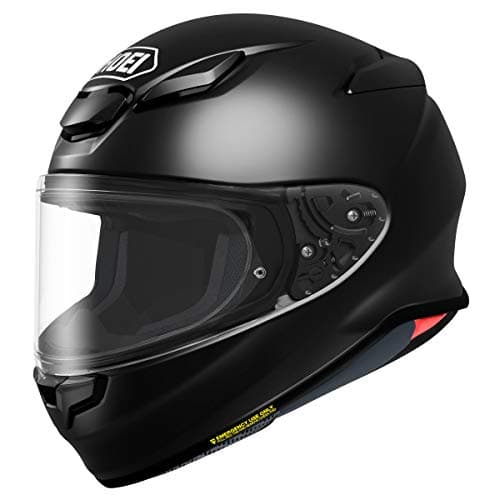
Shoei RF-1400: quieter shell, SNELL M2020 and DOT
See price on AmazonSee it on Amazon
A loud helmet is tiring on long rides and can harm your hearing over time. Before you spend money on a new helmet, there is a lot you can do with the one you own. This page lists the main sources of helmet noise, then walks through the fixes in the order to try them, from free adjustments to small accessories to a quieter helmet. It is for commuters and touring riders who hear a roar above highway speed.
Where helmet noise comes from
Helmet noise is mostly wind. Some is the airflow over the shell, vents and visor seal, but the loudest part on many bikes is turbulent air entering the bottom of the helmet, around your neck, jaw and chin. Turbulence coming off a windscreen or fairing edge can make it worse, buffeting the helmet and creating a low roar. Exhaust and engine noise add to it.
This means two riders with the same helmet can have very different experiences. Bike, windscreen, riding position, jacket collar and your neck size all play a part. A helmet listed as quiet will not be quiet if air pours in under it.
Helmet too big or worn liner
- How to tell
- Helmet moves when you twist it
- Fix
- Thicker pads or right size
Gap at the neck and jaw
- How to tell
- Quieter when you press the neck roll to your neck
- Fix
- Neck roll, scarf or neck tube
No chin curtain
- How to tell
- Draft on your chin at speed
- Fix
- Fit the chin curtain
Windscreen turbulence
- How to tell
- Noise changes when you sit up or duck
- Fix
- Adjust height or add a lip
Leaky visor seal
- How to tell
- Whistle near the eye port
- Fix
- Check seal, visor lock
Open vents
- How to tell
- Noise drops when vents close
- Fix
- Close vents at high speed
| Cause | How to tell | Fix |
|---|---|---|
| Helmet too big or worn liner | Helmet moves when you twist it | Thicker pads or right size |
| Gap at the neck and jaw | Quieter when you press the neck roll to your neck | Neck roll, scarf or neck tube |
| No chin curtain | Draft on your chin at speed | Fit the chin curtain |
| Windscreen turbulence | Noise changes when you sit up or duck | Adjust height or add a lip |
| Leaky visor seal | Whistle near the eye port | Check seal, visor lock |
| Open vents | Noise drops when vents close | Close vents at high speed |
Step-by-step fixes, in the order to try them
- 1
Check fit. A helmet that is loose lets air pass between pads and head. Run the twist and roll-off tests in how should a motorcycle helmet fit. If the pads are packed down, replacement or thicker cheek pads often help noticeably.
- 2
Fit the chin curtain. Most full face and modular helmets include a fabric or rubber chin curtain that clips under the chin bar. Many riders leave it in the box. Put it on.
- 3
Close the neck gap. Make sure the neck roll at the bottom of the helmet sits close to your neck. A snug jacket collar, a neck tube or a thin balaclava closes the remaining gap.
- 4
Check the visor seal and vents. Close the visor fully into its locked position and check the rubber seal for damage. Close the top vents and see if the noise drops.
- 5
Adjust the windscreen. Ride with the screen at different heights. You want either clean air hitting the helmet or the helmet fully in still air, not the edge of the turbulence. A small adjustable lip or deflector on the screen can help.
- 6
Wear earplugs. Even in a quiet helmet, foam or reusable earplugs are the most effective single step for protecting your hearing.
Why earplugs matter even in a quiet helmet
Highway wind noise inside a helmet is commonly loud enough that hours of exposure, ride after ride, can contribute to hearing loss. Hearing safety guidance such as NIOSH's points to around 85 dBA over a workday as the level where risk begins, and helmet noise at speed often reaches that level or more.
Earplugs do not stop you hearing traffic or your bike. They lower the loud wind roar, which can make other sounds clearer. Foam disposables are cheap. Reusable filtered plugs and custom molded plugs are more comfortable for daily use. If you use an intercom, many riders find they can run it at a lower volume with earplugs in, because the wind roar is gone. Check your state's rules on earplugs and headsets while riding.
Note.Turning up intercom or music volume to drown out wind noise adds to your total noise exposure. Fix the wind noise first.
Accessories that help
Start with the cheap items. Pads and a chin curtain cost far less than a new helmet and often fix the worst noise. Screen changes are bike-specific; ask in an owners' forum or dealer which screens suit riders of your height.
- Replacement chin curtain if yours is missing or torn
- Thicker cheek pads or crown liner from the helmet maker
- A thin balaclava or neck tube under the helmet
- A windscreen lip, spoiler or adjustable deflector
- A taller or shorter windscreen, depending on your height
- Reusable filtered earplugs or custom molded plugs
When a quieter helmet is the answer
If the helmet fits, the chin curtain is on, your screen is set well and it is still loud, the helmet design may be the issue. Touring helmets with thick neck rolls, tight visor seals and aerodynamic shells are generally quieter than sport or adventure helmets. Adventure helmets with a peak can catch wind at highway speed. Open face helmets are inherently louder.
Our guide to the quietest motorcycle helmets for touring lists helmets designed around low noise, and the best modular motorcycle helmets includes several touring models. Remember that bike and screen still matter, so a helmet that is quiet on one rider's bike may be louder on yours.
Intercom speakers and noise
Intercom speakers placed correctly in the ear pockets do not add wind noise, but bulky speakers can press on your ears and force gaps in the liner. Use the speaker spacers that come with most kits to position the speakers near your ear openings without squashing them. See how to install a Cardo Packtalk for placement tips, and the best motorcycle intercoms for units with clear audio at speed.
Frequently asked questions
Why is my motorcycle helmet so loud? Usually air entering under the helmet at the neck and chin, a loose fit, or turbulence off the windscreen. Fit, chin curtain, neck seal and screen height fix most cases.
Do chin curtains really reduce noise? On many helmets, yes. They block air from flowing up under the chin bar, which is a major noise source.
Are earplugs legal while riding? Rules vary by state. Many states allow earplugs; some restrict devices in both ears. Check your state's laws.
Is a more expensive helmet quieter? Not always. Touring designs with good neck rolls tend to be quieter, but fit and your bike's airflow matter as much as price.
What you need for this
- See price on AmazonAmazon
Shoei Neotec 3: modular that reduces wind noise
From Quietest motorcycle helmets for touring, by listed noise features
- See price on AmazonAmazon
Shoei RF-1400: quieter shell, SNELL M2020 and DOT
From Best full face motorcycle helmets for street and sport touring