How-to
How to put on and fasten a motorcycle helmet
Published
Short answer
Hold the helmet by the chin straps, spread them apart to open the cheek pads, and pull the helmet down over your head from front to back. Seat it so your eyebrows sit near the top of the eye port, then fasten the strap snug under your jaw, about one or two fingers of slack, whether it is a double D-ring or a quick release buckle.
Gear for this job
All 8 picks compared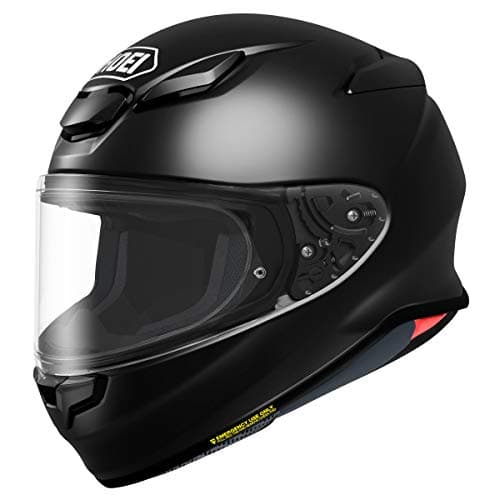
Shoei RF-1400: Snell M2020 and DOT listed
See price on AmazonSee it on Amazon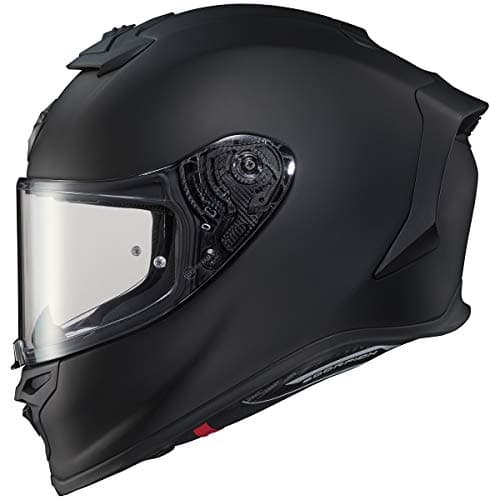
Scorpion EXO-R1 Air: DOT and ECE, 3.05 lb
See price on AmazonSee it on Amazon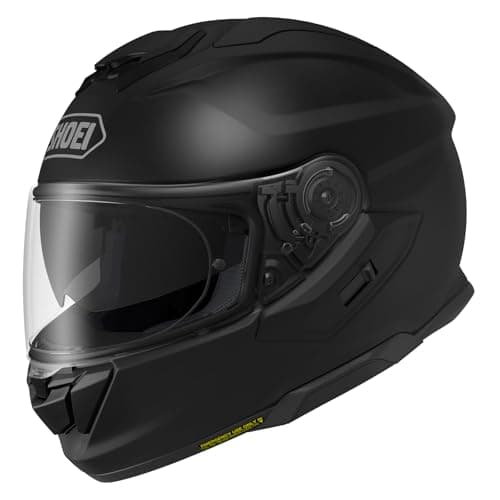
Shoei GT-Air 3: touring full face with sun visor
See price on AmazonSee it on Amazon
Putting on a full face helmet looks simple, but many new riders fight with tight cheek pads, scrape their ears, or leave the strap too loose. This page covers how to put on a full face, modular and open face helmet, how to thread and lock a double D-ring strap, how ratchet and quick release buckles work, how tight the strap should be, and how to take the helmet off without hurting yourself. It also covers putting a helmet on with glasses and with a balaclava.
Before you start
Open the visor and, on a modular helmet, raise the chin bar and lock it up. Undo the strap fully so both sides hang free. If you wear glasses, take them off for now and put them on after the helmet is on; see wearing a motorcycle helmet with glasses. If you use a balaclava or skull cap, put it on first and smooth it flat so it does not bunch under the pads.
Long hair is easier if you tie it low at the back of the neck or tuck it into a balaclava. A high ponytail can push the helmet forward and cause a pressure point at the back.
- 1Shell outer layer that spreads an impact and resists abrasion
- 2EPS liner expanded polystyrene foam that crushes to absorb impact
- 3Comfort liner removable, washable fabric layer against the head
- 4Cheek pad sets how snug the helmet sits on the face
- 5Chin bar fixed front section of a full face helmet
- 6Visor clear or tinted shield over the eye port
- 7Visor pivot mount the visor swings on, removable for cleaning
- 8Vents intakes on the chin bar and crown, exhausts at the back
- 9Chin curtain cuts wind and noise under the chin
- 10D-ring strap retention strap fastened through two metal rings
How to put on a full face helmet
The trick is to use the chin straps as handles. Pulling them outward spreads the cheek pads and opens the bottom of the helmet so it clears your ears and cheeks.
- 1
Hold the helmet upside down in front of you with the chin bar facing away.
- 2
Hook your thumbs or fingers through the chin strap ends on each side.
- 3
Lift the helmet above your head, tip your chin down slightly, and pull the straps outward to spread the cheek pads.
- 4
Bring the helmet down from the front to the back, guiding your forehead into the brow pad first.
- 5
Keep pulling the straps outward and down as the helmet passes your ears. Fold your ears flat with a finger if they catch.
- 6
Settle the helmet by pushing down gently on the top. Check that your eyebrows sit near the top of the eye port and you can see clearly to both sides.
- 7
Fasten the strap (see below), then close the visor.
Note.A helmet that is very hard to get on is not always too small. New cheek pads are firm. Judge the fit after it is on, using the checks in how should a motorcycle helmet fit.
Modular and open face helmets
With a modular helmet, raise and lock the chin bar before putting it on. The opening is larger, so it slides on more easily, but still use the straps to spread the cheek pads. Once it is on and the strap is fastened, lower the chin bar until it clicks closed and tug on it to confirm it is latched. Ride with the chin bar closed unless the helmet is certified for riding open, and only then as the maker describes.
Open face and half helmets go on straight down from above. Center the brow over your eyebrows, then fasten the strap. The strap matters even more here, because there is no chin bar to help hold the helmet in place.
How to fasten a double D-ring strap
The double D-ring is two metal rings on one strap end. It has no moving parts and is adjustable every time you ride. It is common on sport and premium helmets, and it is the closure many race organizations require. It feels fiddly at first and becomes quick with practice.
- 1
Take the free strap end and pass it through both D-rings from the inside, toward your neck.
- 2
Fold it back over the first ring and pass it through the gap between the two rings, back out.
- 3
Pull the free end until the strap is snug under your jaw.
- 4
Snap the free end to the press stud on the strap so it does not flap in the wind.
- 5
Check the fit: one or two fingers should slide between strap and chin, and you should not be able to pull the helmet off forward.
- To release: unsnap the stud, then pull the red tab or the second ring to loosen the strap
- The snap holds only the loose end; it is not part of the closure
- Always thread through both rings, never just one
Quick release and ratchet buckles
Many touring, modular and adventure helmets use a micrometric ratchet buckle. A toothed tongue slides into a receiver and clicks; you push it in until it is snug and pull a small tab to release it. Set the length of the toothed tongue once with the adjuster on the strap, so the usable range of clicks sits under your jaw. Then on each ride you push it in a few clicks to tighten.
Seatbelt style quick release buckles work like a car belt: press the two halves together until they click and press a button to release. Adjust the strap length so the buckle closes snug. With any buckle, tug down on it after closing to confirm it is locked. A buckle that is closed but not latched gives no retention at all.
Double D-ring
- How it locks
- Strap threaded through two rings
- Adjust each ride
- Yes, every time
- Notes
- Simple, no parts to wear out
Micrometric ratchet
- How it locks
- Toothed tongue clicks into a receiver
- Adjust each ride
- Click by click
- Notes
- Easy with gloves; set base length first
Seatbelt style buckle
- How it locks
- Two halves click together
- Adjust each ride
- No, set once
- Notes
- Fast on and off
| Closure | How it locks | Adjust each ride | Notes |
|---|---|---|---|
| Double D-ring | Strap threaded through two rings | Yes, every time | Simple, no parts to wear out |
| Micrometric ratchet | Toothed tongue clicks into a receiver | Click by click | Easy with gloves; set base length first |
| Seatbelt style buckle | Two halves click together | No, set once | Fast on and off |
How tight should the strap be?
The strap should sit under your jaw, not on your throat, and be snug enough that only one or two fingers fit between strap and skin. It should not choke you or press into your windpipe when you turn your head. Too loose and the helmet can roll off in a crash; the roll-off check is to grab the back of the shell and pull it forward and up. If it comes over your forehead, tighten the strap or check the size.
Check strap tightness every ride. D-ring straps in particular can be set slightly differently each time.
Taking the helmet off
Open the visor, unfasten the strap, and on a modular helmet raise the chin bar. Grab the strap ends, pull outward to spread the cheek pads, and lift the helmet up and back, tilting it forward slightly so the chin bar clears your nose. Do not yank it off by the chin bar, which drags the pads across your ears.
Set the helmet down on a flat, stable surface, never on a mirror or seat where it can fall. A helmet dropped on a hard floor should be inspected, as explained in when to replace a motorcycle helmet. Shopping for a modular that is easier to get on with glasses? See the best modular motorcycle helmets.
Frequently asked questions
Why is my helmet so hard to put on? New cheek pads are firm, and full face helmets have a narrow opening. Spread the straps outward as you pull it on. If it is painful once on, check the size and head shape.
Is a D-ring safer than a quick release buckle? Both are tested as part of the helmet's retention system under DOT and ECE standards. The D-ring has no mechanism to wear out, which is why many racing bodies require it. Any closure is safe only when it is fastened and snug.
How many fingers should fit under a helmet strap? One or two. More than that and the helmet may roll off; less and it may press on your throat.
Should I put my glasses on before or after the helmet? After. Put the helmet on and fasten it, then slide the glasses in through the eye port along the side of your head.
What you need for this
- See price on AmazonAmazon
Shoei RF-1400: quieter shell, SNELL M2020 and DOT
From Best full face motorcycle helmets for street and sport touring
 See price on AmazonAmazon
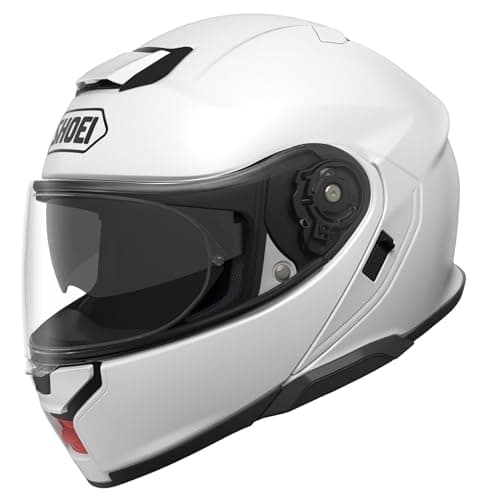
Shoei Neotec 3: modular that reduces wind noise
From Best modular motorcycle helmets for touring and commuting
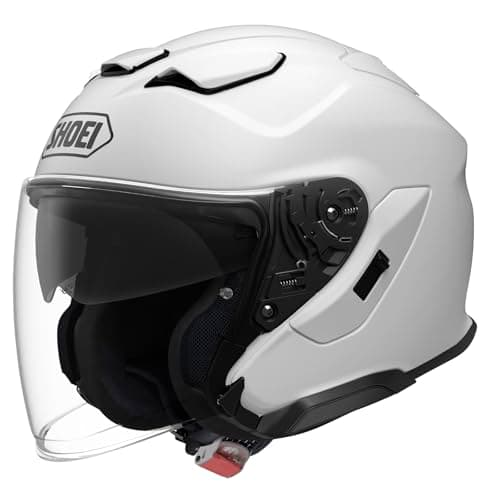 See price on AmazonAmazon
Shoei J-Cruise 3: DOT and ECE 22.06, sun visor
From Best open face motorcycle helmets for cruisers and scooters