How-to
How to measure your head for a motorcycle helmet
Published
Short answer
Wrap a soft tape measure around the widest part of your head, about one inch above your eyebrows and just above your ears, and keep it level around the back. Take the largest of two or three readings and match it to the brand's own size chart. If you land between two sizes, try both, because head shape and the specific model matter as much as the number.
Gear for this job
All 8 picks compared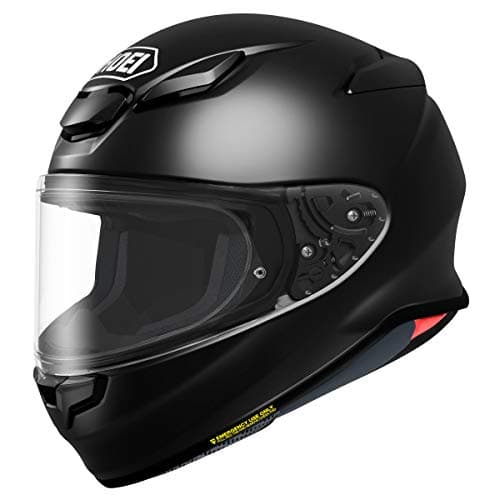
Shoei RF-1400: Snell M2020 and DOT listed
See price on AmazonSee it on Amazon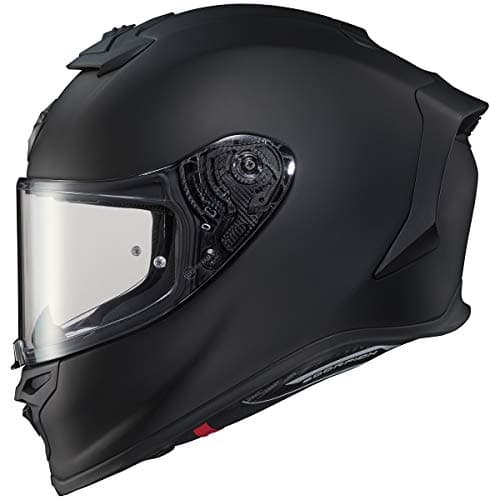
Scorpion EXO-R1 Air: DOT and ECE, 3.05 lb
See price on AmazonSee it on Amazon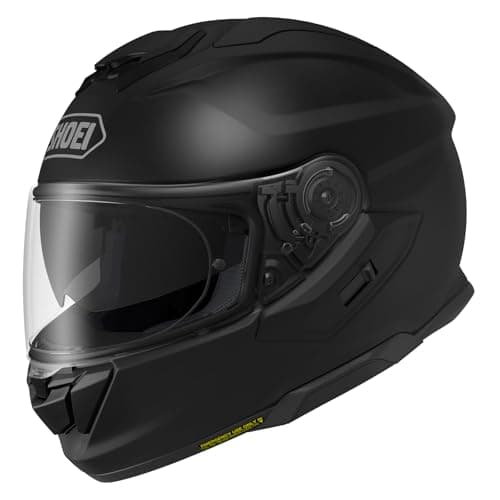
Shoei GT-Air 3: touring full face with sun visor
See price on AmazonSee it on Amazon
Buying a helmet online starts with one number: your head circumference. Get it wrong by a centimeter and you may end up with a helmet that presses on your forehead after twenty minutes or one that shifts at highway speed. This page is for riders buying their first helmet, riders switching brands, and anyone who has never measured carefully. It covers the tools you need, exactly where the tape goes, how to convert between centimeters and inches, what to do when you sit between sizes, and how to confirm the fit once the helmet arrives.
What you need before you start
Use a soft cloth or vinyl tailor's tape. A metal tape measure from the toolbox will not wrap around a head properly and tends to read high. If you do not have a soft tape, use a piece of string or a phone charging cable, mark where it overlaps, then lay it flat against a ruler or a straight tape.
It helps to have a second person. Holding the tape level around the back of your own head is harder than it sounds, and a helper can see whether the tape has slipped down toward your neck. A mirror works if you are on your own. Measure with your hair the way you normally ride. Very thick hair, a ponytail or braids can change the reading, so remove anything that sits under where the helmet liner will be.
- Soft tailor's tape in cm and inches
- Helper or a mirror
- Pen and paper to note each reading
- The size chart for the brand and model you are considering
Where to place the tape
The goal is the widest circumference of your head, because that is the part the helmet liner has to clear and grip. Start at the front, about one inch (2.5 cm) above your eyebrows, across the forehead. Run the tape just above the tops of your ears on both sides. At the back, slide it up and down slightly until you find the largest point, which is usually the bump at the back of the skull.
Keep the tape snug but not tight. It should lie flat against the skin without pressing a dent into your forehead. Read the number where the tape overlaps itself at the front. Then take the tape off, put it back on and measure again. Do this two or three times and use the largest result, since a reading that is too small is the most common mistake.
- Widest point: about 1 inch (2.5 cm) above the eyebrows, just above the ears.
- Tape level all the way round, snug, not tight. Keep the largest of three readings.
- 1
Place the tape one inch above your eyebrows.
- 2
Run it just above both ears.
- 3
Move it up and down at the back to find the widest point.
- 4
Pull snug, keep it level, and read where it overlaps.
- 5
Repeat two or three times and write down the largest reading.
Centimeters vs inches and how size charts work
Most helmet brands publish sizes in centimeters first, because sizes are usually built on two-centimeter steps. A medium is often 57 to 58 cm, a large 59 to 60 cm, and so on. Inches convert at 2.54 cm per inch, so 58 cm is about 22.8 inches. Convert carefully and keep at least one decimal place, since rounding to a whole inch can move you into the wrong size.
Size labels are not standard across brands. A medium in one brand can fit like a small or a large in another, and two models from the same brand can differ too. Always check the chart for the exact model. Our motorcycle helmet size chart lists typical ranges, and the helmet size finder turns your measurement into a starting size and flags when you sit on a boundary.
XS
- Centimeters
- 53-54
- Inches (approx.)
- 20.9-21.3
S
- Centimeters
- 55-56
- Inches (approx.)
- 21.7-22.0
M
- Centimeters
- 57-58
- Inches (approx.)
- 22.4-22.8
L
- Centimeters
- 59-60
- Inches (approx.)
- 23.2-23.6
XL
- Centimeters
- 61-62
- Inches (approx.)
- 24.0-24.4
2XL
- Centimeters
- 63-64
- Inches (approx.)
- 24.8-25.2
| Size | Centimeters | Inches (approx.) |
|---|---|---|
| XS | 53-54 | 20.9-21.3 |
| S | 55-56 | 21.7-22.0 |
| M | 57-58 | 22.4-22.8 |
| L | 59-60 | 23.2-23.6 |
| XL | 61-62 | 24.0-24.4 |
| 2XL | 63-64 | 24.8-25.2 |
When you fall between two sizes
If your reading lands right on the line between two sizes, such as 58.5 cm on a chart where medium ends at 58 and large starts at 59, the honest answer is to try both. Head shape decides a lot. A long oval head may need the larger size to clear the forehead even when the circumference says medium.
Many riders lean toward the smaller of the two, because comfort liners and cheek pads compress somewhat over the first weeks of riding. That only works if the smaller size feels snug, not painful. A helmet that causes a hot spot on the forehead within a few minutes will not break in enough to fix it. If the smaller size hurts and the larger one moves when you shake your head, look at a different model with a shape that suits you. Our guide to motorcycle helmet head shapes explains how to tell long oval, intermediate and round heads apart.
Note.Never size up to get more room for glasses or a beanie. A loose helmet can shift in a crash. Look for models with eyeglass channels instead.
Check the fit once the helmet arrives
The tape gets you to the right box, but the real test is wearing the helmet. Put it on and fasten the strap. The cheek pads should press firmly against your cheeks, and the crown should touch the top of your head without a pressure point. With the strap done up, try to roll the helmet forward off your head by pushing up at the back. It should not come off.
Wear it indoors for 20 to 30 minutes before riding, so you can still return it if needed. Red marks or a dull ache on the forehead or temples usually mean the shape is wrong. For more detail, read how a motorcycle helmet should fit and what to do if the helmet is too tight. When you are ready to shop, our list of the best full face motorcycle helmets includes each maker's fit notes.
Frequently asked questions
Should I measure in centimeters or inches? Either works, but most brand charts are built in centimeters with two-centimeter steps, so measuring in centimeters avoids conversion errors. If you measure in inches, multiply by 2.54 and keep one decimal place.
Is helmet size the same as hat size? No. Hat sizes use a different scale, and a hat is meant to sit loosely. Measure your head circumference directly and use the helmet maker's chart.
Can I use a string instead of a tape measure? Yes. Wrap the string where the tape would go, mark where it overlaps, then measure the string against a straight ruler. Repeat a couple of times for accuracy.
Do kids' heads measure the same way? Yes, the tape position is the same. Youth helmets use their own size ranges, so check the youth chart for the model you are considering.
What you need for this
- See price on AmazonAmazon
Shoei RF-1400: quieter shell, SNELL M2020 and DOT
From Best full face motorcycle helmets for street and sport touring
 See price on AmazonAmazon
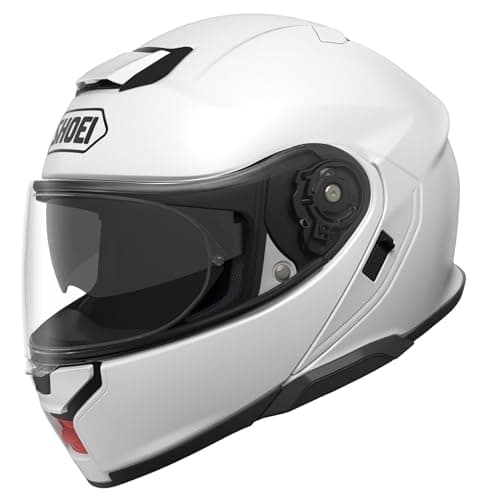
Shoei Neotec 3: modular that reduces wind noise
From Best modular motorcycle helmets for touring and commuting