Comparison
Shoei vs Arai: how the two premium brands differ
Published
Short answer
Shoei and Arai both build premium Japanese helmets, but they take different paths. Arai focuses on a smooth, round shell meant to glance off impacts and offers three distinct head shapes, while Shoei leans on wind tunnel shaping, quiet touring designs and a modular line that Arai does not offer. Pick by head shape first, then by the type of riding you do.
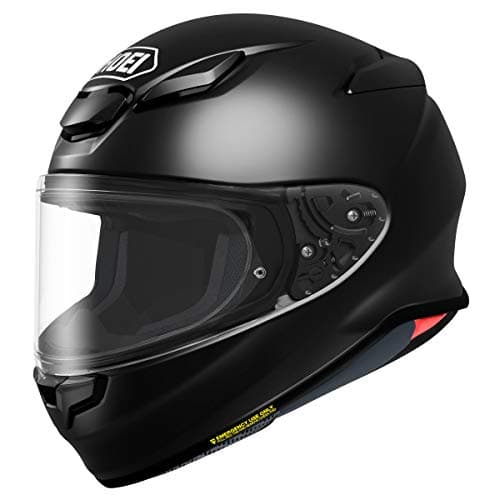
Shoei
Shoei RF-1400: quieter shell, SNELL M2020 and DOT
See price on Amazon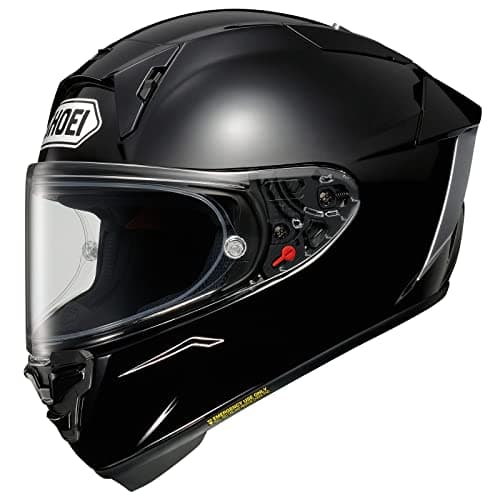
Shoei
Shoei X-Fifteen: race helmet, Snell and ECE 22.06
See price on Amazon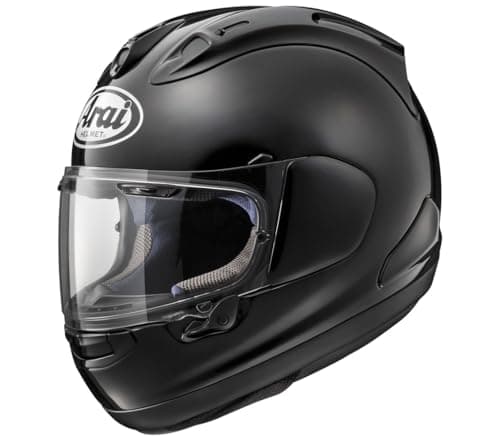
Arai HELMET
Arai Corsair-X: intermediate oval, PB-SNC2 shell
See price on Amazon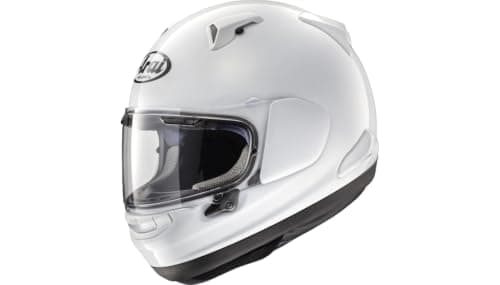
Arai HELMET
Arai Signet-X: long oval for narrow heads
See price on Amazon
- Shoei RF-1400: quieter shell, SNELL M2020 and DOT
- Certification
- SNELL M2020 and DOT
- Shell material
- Fiberglass and organic fiber matrix
- Weight
- Not stated
- Sizes
- Not stated
- Shoei X-Fifteen: race helmet, Snell and ECE 22.06
- Certification
- FMVSS 218, DOT, Snell, ECE R22/06
- Shell material
- Not stated
- Weight
- Not stated
- Sizes
- Not stated
- Arai Corsair-X: intermediate oval, PB-SNC2 shell
- Certification
- DOT FMVSS 218
- Shell material
- PB-SNC2 with Super Fiber
- Weight
- Not stated
- Sizes
- Not stated (listing is Large)
- Arai Signet-X: long oval for narrow heads
- Certification
- DOT FMVSS 218
- Shell material
- PB-SCLC laminate
- Weight
- Not stated
- Sizes
- Not stated (listing is Medium)
| Pick | Certification | Shell material | Weight | Sizes | Price | Link |
|---|---|---|---|---|---|---|
| Shoei RF-1400: quieter shell, SNELL M2020 and DOT | SNELL M2020 and DOT | Fiberglass and organic fiber matrix | Not stated | Not stated | - | Amazon |
| Shoei X-Fifteen: race helmet, Snell and ECE 22.06 | FMVSS 218, DOT, Snell, ECE R22/06 | Not stated | Not stated | Not stated | - | Amazon |
| Arai Corsair-X: intermediate oval, PB-SNC2 shell | DOT FMVSS 218 | PB-SNC2 with Super Fiber | Not stated | Not stated (listing is Large) | - | Amazon |
| Arai Signet-X: long oval for narrow heads | DOT FMVSS 218 | PB-SCLC laminate | Not stated | Not stated (listing is Medium) | - | Amazon |
Facts are taken from each Amazon listing. Prices are checked daily and shown with their date.
Verdict
Choose Arai if you want a clearly labeled head shape and a smooth glancing off shell, starting with the Corsair-X for intermediate ovals or the Signet-X for long ovals. Choose Shoei if you want a quiet sport-touring helmet like the RF-1400, an internal sun visor, or a modular option.
This page is for riders choosing between the two best known premium helmet makers and wondering what actually separates them beyond the logo. We compare Shoei and Arai on shell philosophy, interior shapes, shield systems, safety ratings and price, then line up specific models against each other: the Shoei RF-1400 and X-Fifteen against the Arai Corsair-X and Signet-X. Every spec in the tables comes from the current listings. Where a listing does not state something, we say so rather than guess.
The short version: two philosophies
Arai describes its shells as designed to glance off impact forces. In practice that means a round, smooth outer shape with few sharp edges, and shield mechanics (the Variable Axis System, or VAS) that sit low and flush so less hardware sticks out. The Corsair-X listing describes a PB-SNC2 shell with Super Fiber reinforcement aimed at being stronger and lighter with good glancing off properties.
Shoei puts more of its marketing weight on aerodynamics and noise. The RF-1400 listing says wind tunnel work cut drag by 4% and lift by 6% compared with the RF-1200, and talks about Vortex Generators on the shield, airtight window beading and removable ear pads to keep wind noise down. Shoei shells use its AIM (Advanced Integrated Matrix) construction of fiberglass and organic fibers.
Both approaches produce well regarded helmets. Neither brand is a bad choice; the right one is the one that fits your head and suits how you ride. If you want a deeper look at the safety question, read are Arai helmets safer.
Head shapes and fit
Fit matters more than brand. A helmet that is the wrong shape for your head creates hot spots, moves at speed and protects less well. Arai is unusually clear about shape in its listings. The Signet-X is a long oval for narrow heads with a pronounced forehead, the Corsair-X is an intermediate oval that Arai says fits most North American heads, and the Quantum-X is a round oval for heads that are slightly wider than they are long.
The Shoei listings used here do not state a head shape, and we will not assign one. Shoei does offer adjustable interior parts: the X-Fifteen listing describes an independently adjustable center pad system with replaceable sections, and the GT-Air 3 offers a 3D center pad and cheek pads in several thicknesses. Try each brand on, or measure carefully and use our helmet size finder and the helmet head shapes guide before you order.
Long oval
Fewer models; some makers sell long oval lines, such as Arai's Signet-X.
Intermediate oval
The most common shape; most models from the big brands target it.
Round oval
Fewer models; check each maker's fit notes for rounder lines.
Note.Sizes differ between brands. A medium Shoei and a medium Arai are not guaranteed to fit the same head. Always check each brand's own size chart.
Model against model: spec table
The table below sticks to what each Amazon listing states. Prices are listing prices at the time of writing and change often.
Listing price
- Shoei RF-1400
- $549.99
- Shoei X-Fifteen
- $979.99
- Arai Corsair-X
- $989.95
- Arai Signet-X
- $750.30
Role
- Shoei RF-1400
- Street sport-touring
- Shoei X-Fifteen
- Race and track
- Arai Corsair-X
- Street and track flagship
- Arai Signet-X
- Street, long oval fit
Shell
- Shoei RF-1400
- AIM multi-ply matrix
- Shoei X-Fifteen
- Multi-Ply Matrix AIM+
- Arai Corsair-X
- PB-SNC2 with Super Fiber
- Arai Signet-X
- PB-SCLC
Ratings stated
- Shoei RF-1400
- DOT, Snell M2020
- Shoei X-Fifteen
- DOT, Snell, ECE 22.06
- Arai Corsair-X
- DOT FMVSS 218
- Arai Signet-X
- DOT FMVSS 218
Head shape stated
- Shoei RF-1400
- Not stated
- Shoei X-Fifteen
- Not stated
- Arai Corsair-X
- Intermediate oval
- Arai Signet-X
- Long oval
Shield system
- Shoei RF-1400
- CWR-F2 with Vortex Generators
- Shoei X-Fifteen
- CWR-F2R with double lock
- Arai Corsair-X
- VAS Max Vision
- Arai Signet-X
- VAS
Emergency release
- Shoei RF-1400
- E.Q.R.S. (Capriccio listing)
- Shoei X-Fifteen
- E.Q.R.S.
- Arai Corsair-X
- Not stated
- Arai Signet-X
- Not stated
| Spec | Shoei RF-1400 | Shoei X-Fifteen | Arai Corsair-X | Arai Signet-X |
|---|---|---|---|---|
| Listing price | $549.99 | $979.99 | $989.95 | $750.30 |
| Role | Street sport-touring | Race and track | Street and track flagship | Street, long oval fit |
| Shell | AIM multi-ply matrix | Multi-Ply Matrix AIM+ | PB-SNC2 with Super Fiber | PB-SCLC |
| Ratings stated | DOT, Snell M2020 | DOT, Snell, ECE 22.06 | DOT FMVSS 218 | DOT FMVSS 218 |
| Head shape stated | Not stated | Not stated | Intermediate oval | Long oval |
| Shield system | CWR-F2 with Vortex Generators | CWR-F2R with double lock | VAS Max Vision | VAS |
| Emergency release | E.Q.R.S. (Capriccio listing) | E.Q.R.S. | Not stated | Not stated |
Shield systems and visibility
Shoei's CWR-F2 shield on the RF-1400 uses side Vortex Generators that the listing says reduce wind turbulence. The X-Fifteen gets the CWR-F2R race shield with a double shield lock and an included Pinlock lens. On the GT-Air 3 and Neotec 3, Shoei adds an internal drop down sun visor, which suits touring riders who do not want to carry a tinted shield.
Arai uses its VAS shield across the street range. The Corsair-X listing explains that the variable axis lets the shield pivot sit lower on the shell, keeping the shell smoother, and that a dual function lever releases both the side cover and shield pin for quick changes. A de-mist latch position cracks the shield slightly open, and a clear Pinlock insert comes with the Corsair-X. None of the Arai full face models listed here has an internal sun visor.
If you change shields often, practice on both before you commit. Our guide on how to replace a helmet visor covers the basics, and how to install a Pinlock insert helps with fogging.
Safety ratings
Every helmet in this comparison is listed as meeting DOT FMVSS 218, the legal minimum for road use in the US. The Shoei RF-1400 also lists Snell M2020, and the X-Fifteen lists DOT, Snell and ECE 22.06. The Arai listings shown here state DOT only. That does not mean the Arai models lack other certifications in other markets; it means the US listing does not confirm them, so check the label on the helmet you receive.
If the alphabet soup is confusing, our DOT vs ECE vs Snell comparison explains what each test covers, and the helmet rating decoder reads a label for you.
Lineups: where each brand is stronger
For adventure riding, both brands sell peaked helmets: the Shoei Hornet X2 and the Arai XD-5. Compare those in our best adventure motorcycle helmets guide.
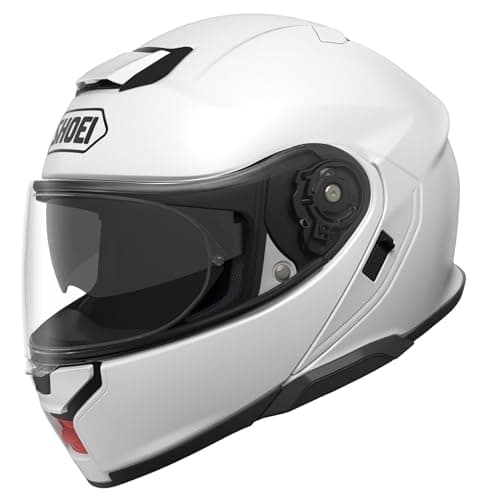
- Modular helmets: Shoei sells the Neotec 3. Arai does not make a modular street helmet; see does Arai make a modular helmet.
- Head shape choice: Arai offers clearly labeled long, intermediate and round oval shells.
- Built in sun visor: available on Shoei touring models such as the GT-Air 3 and Neotec 3.
- Intercom integration: the GT-Air 3 listing says it is designed for the optional Sena SRL3 unit.
- Entry price into the brand: the Arai Regent-X and Shoei RF-1400 both list in the $550 to $660 range depending on color and size.
Frequently asked questions
Is Arai safer than Shoei? Both brands meet DOT and sell helmets with additional ratings. The listings do not support calling one safer across the board. Fit and correct sizing make a larger difference for an individual rider than the badge.
Which is quieter, Shoei or Arai? Shoei markets noise reduction heavily on the RF-1400 and GT-Air 3, with sealed window beading and ear pads. Noise also depends on your bike, windscreen and fit, so wear earplugs either way.
Do Shoei and Arai sizes run the same? Not reliably. Measure your head and check each brand's chart, then try the helmet on for at least 20 minutes.
Which brand makes a modular helmet? Shoei does, with the Neotec 3. Arai does not offer a modular street helmet.
What you need for this
 See price on AmazonAmazon
Shoei Neotec 3: modular that reduces wind noise
- See price on AmazonAmazon
Arai Corsair-X: intermediate oval, PB-SNC2 shell
- See price on AmazonAmazon
Shoei RF-1400: quieter shell, SNELL M2020 and DOT
From Best full face motorcycle helmets for street and sport touring