Comparison
DOT vs ECE 22.06 vs Snell M2020: what each helmet rating means
Published
Short answer
DOT (FMVSS 218) is the US federal standard and the only label required for street use in the US; makers self-certify and NHTSA spot-tests. ECE 22.06 is the UN regulation used in Europe, with lab type approval, batch testing and an oblique impact test. Snell M2020 is a voluntary private standard with its own tests. A helmet can carry more than one label.
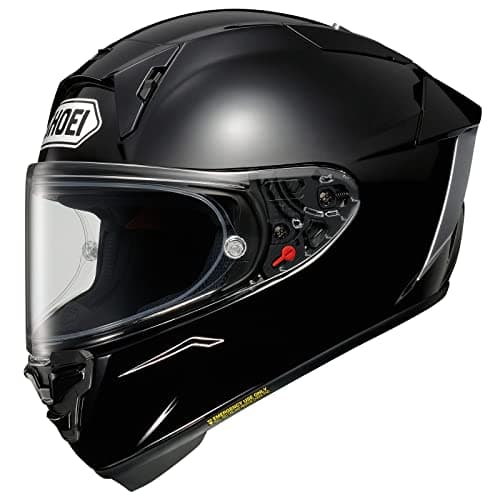
Shoei
Shoei X-Fifteen: race helmet, Snell and ECE 22.06
See price on Amazon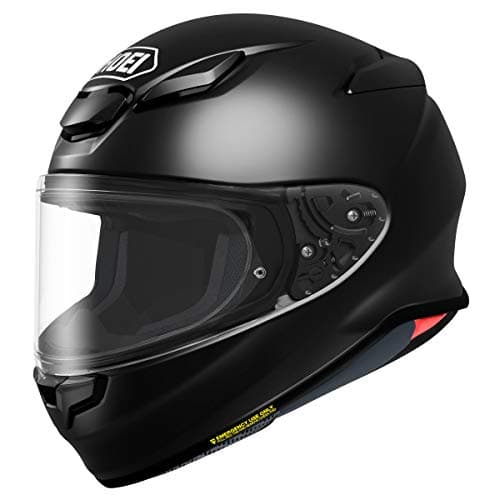
Shoei
Shoei RF-1400: quieter shell, SNELL M2020 and DOT
See price on Amazon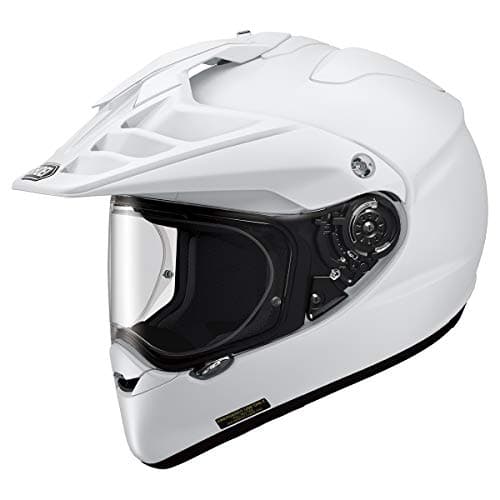
Shoei
Shoei Hornet X2: Snell M2020D, 3.99 lbs in medium
See price on Amazon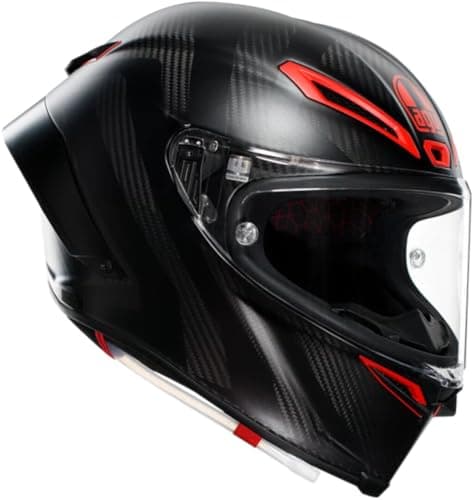
AGV
AGV Pista GP RR: 100% carbon, FIM homologated
See price on Amazon
- Shoei X-Fifteen: race helmet, Snell and ECE 22.06
- Certification
- FMVSS 218, DOT, Snell, ECE R22/06
- Shell material
- Not stated
- Weight
- Not stated
- Sizes
- Not stated
- Shoei RF-1400: quieter shell, SNELL M2020 and DOT
- Certification
- SNELL M2020 and DOT
- Shell material
- Fiberglass and organic fiber matrix
- Weight
- Not stated
- Sizes
- Not stated
- Shoei Hornet X2: Snell M2020D, 3.99 lbs in medium
- Certification
- DOT FMVSS 218, Snell M2020D
- Shell material
- AIM+ multi-fiber composite
- Weight
- 3.99 lbs (size M)
- Sizes
- Not stated
- AGV Pista GP RR: 100% carbon, FIM homologated
- Certification
- DOT FMVSS 218, ECE 22.06 (per title), FIM homologated
- Shell material
- 100% carbon fiber
- Weight
- Not stated
- Sizes
- 4 shell sizes (listing is Large)
| Pick | Certification | Shell material | Weight | Sizes | Price | Link |
|---|---|---|---|---|---|---|
| Shoei X-Fifteen: race helmet, Snell and ECE 22.06 | FMVSS 218, DOT, Snell, ECE R22/06 | Not stated | Not stated | Not stated | - | Amazon |
| Shoei RF-1400: quieter shell, SNELL M2020 and DOT | SNELL M2020 and DOT | Fiberglass and organic fiber matrix | Not stated | Not stated | - | Amazon |
| Shoei Hornet X2: Snell M2020D, 3.99 lbs in medium | DOT FMVSS 218, Snell M2020D | AIM+ multi-fiber composite | 3.99 lbs (size M) | Not stated | - | Amazon |
| AGV Pista GP RR: 100% carbon, FIM homologated | DOT FMVSS 218, ECE 22.06 (per title), FIM homologated | 100% carbon fiber | Not stated | 4 shell sizes (listing is Large) | - | Amazon |
Facts are taken from each Amazon listing. Prices are checked daily and shown with their date.
Verdict
US street riders need a genuine DOT label; ECE 22.06 and Snell M2020 are optional extra tests. If you want all three in one helmet, the Shoei X-Fifteen lists DOT, Snell and ECE 22.06; the RF-1400 and Hornet X2 add Snell to DOT, and the AGV Pista GP RR pairs ECE 22.06 with DOT.
Helmet labels confuse a lot of riders. A sticker on the back says DOT, a tag on the strap says 22.06, and some helmets add a Snell sticker inside. This page explains who issues each label, how the tests differ in plain terms, and which one you need to ride legally on US roads. We also show real helmets that carry several labels at once, using only what their listings state. To check a specific helmet, try our helmet rating decoder.
The three standards side by side
This summary covers the main differences. Each standard's full text is long and technical; the points below are the ones that matter when you shop.
- 1DOT FMVSS 218 sticker on the back of the shell
- 2ECE 22.06 label sewn on the chin strap with the approval number
- 3Snell M2020 sticker inside the helmet, often under the comfort liner
A helmet can carry more than one label. For street use in the US, the DOT label is the required one.
Issued by
- DOT FMVSS 218
- US government (NHTSA)
- ECE 22.06
- UN regulation, used across Europe and other markets
- Snell M2020
- Snell Memorial Foundation, a private nonprofit
Required for US street use
- DOT FMVSS 218
- Yes
- ECE 22.06
- No
- Snell M2020
- No
How a helmet qualifies
- DOT FMVSS 218
- Maker self-certifies; NHTSA buys and tests helmets for compliance
- ECE 22.06
- Type approval by an accredited lab plus production batch testing
- Snell M2020
- Voluntary; Snell tests samples and buys random samples
What it tests
- DOT FMVSS 218
- Impact attenuation, penetration, retention
- ECE 22.06
- Impacts at more points and speeds, oblique (rotational) impact, visor tests, accessory approval
- Snell M2020
- Its own impact, retention and other tests
Where you see it
- DOT FMVSS 218
- DOT sticker on the back
- ECE 22.06
- Label on the chin strap with an approval code beginning 22.06
- Snell M2020
- Sticker, often inside the helmet
| DOT FMVSS 218 | ECE 22.06 | Snell M2020 | |
|---|---|---|---|
| Issued by | US government (NHTSA) | UN regulation, used across Europe and other markets | Snell Memorial Foundation, a private nonprofit |
| Required for US street use | Yes | No | No |
| How a helmet qualifies | Maker self-certifies; NHTSA buys and tests helmets for compliance | Type approval by an accredited lab plus production batch testing | Voluntary; Snell tests samples and buys random samples |
| What it tests | Impact attenuation, penetration, retention | Impacts at more points and speeds, oblique (rotational) impact, visor tests, accessory approval | Its own impact, retention and other tests |
| Where you see it | DOT sticker on the back | Label on the chin strap with an approval code beginning 22.06 | Sticker, often inside the helmet |
DOT: the US legal minimum
DOT means the helmet meets Federal Motor Vehicle Safety Standard 218. Helmets sold for on-road use in the US must meet it. There is no lab approval before sale: the manufacturer certifies the helmet and puts on the DOT label, and NHTSA buys helmets and tests them for compliance. The test covers how much impact energy gets through, whether a pointed striker penetrates the shell, and whether the strap system holds.
Fake 'DOT' stickers exist on novelty helmets, so learn what a real label looks like in our DOT label explainer.
ECE 22.06: the European regulation
ECE 22.06 replaced 22.05, and 22.05 helmets are no longer sold new in Europe. Under ECE, an accredited lab approves the helmet model before sale and production batches are tested. The 22.06 update added impacts at more points and speeds, an oblique impact test that looks at rotational forces, tests on visors, and approval of accessories such as intercom fitments.
ECE is not required in the US, but many US-market helmets carry it alongside DOT. Our ECE 22.06 explainer goes deeper on the test changes.
Snell M2020: the voluntary extra
Snell is a private, nonprofit foundation, and its standard is voluntary. Makers submit helmets for certification, and Snell also buys random samples to check ongoing production. The M2020 standard comes in two versions: M2020D, aligned for markets that use DOT, and M2020R, aligned for ECE markets. A Snell sticker tells you the model met Snell's tests in addition to the legal requirement.
No label promises how you will fare in a specific crash. A label means the model passed that test when it was made. Fit, condition and age of the helmet also matter; see when to replace a helmet.
Note.Replace a helmet after any significant impact, even if it looks fine. EPS foam can be crushed with no visible damage.
Helmets that carry more than one label
Many premium helmets carry two or three labels. These examples come from current listings:
- Shoei X-Fifteen: listing states FMVSS 218 (DOT), Snell and ECE 22.06.
- Shoei RF-1400: listing states Snell M2020 and DOT.
- Shoei Hornet X2: listing states FMVSS 218 and Snell M2020D.
- AGV Pista GP RR: listing states ECE 22.06 (E2206 in the title) and DOT FMVSS 218, plus FIM homologation for racing.
Which label do you need?
For riding on US streets, you need a genuine DOT label. That is the legal requirement. ECE 22.06 and Snell are optional extras that tell you the helmet also passed another set of tests. Some riders want ECE 22.06 because it includes an oblique impact test; some want Snell because it is an independent, voluntary standard. Track days may require Snell or FIM depending on the organizer, so check the rules before you go.
Once you know which labels you want, sizing comes next. A certified helmet that is too loose will not perform as tested. Use the helmet size finder and how a helmet should fit. For extra rotational protection systems, see MIPS helmets.
Frequently asked questions
Is Snell better than DOT? Snell is a separate, voluntary standard with its own tests. A helmet with both has passed both. DOT is the one required by law for US street use.
Is an ECE-only helmet legal in the US? US street helmets must meet FMVSS 218 and carry the DOT label. Check your state's rules, and buy helmets sold for the US market with a DOT label.
What is the difference between Snell M2020D and M2020R? M2020D is aligned for DOT markets and M2020R for ECE markets.
Can a helmet have DOT, ECE and Snell at once? Yes. The Shoei X-Fifteen listing, for example, states all three.
What you need for this
- See price on AmazonAmazon
Shoei RF-1400: quieter shell, SNELL M2020 and DOT
From Best full face motorcycle helmets for street and sport touring
 See price on AmazonAmazon
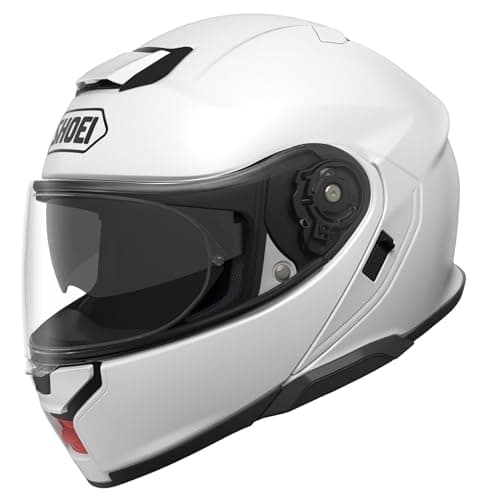
Shoei Neotec 3: modular that reduces wind noise
 See price on AmazonAmazon
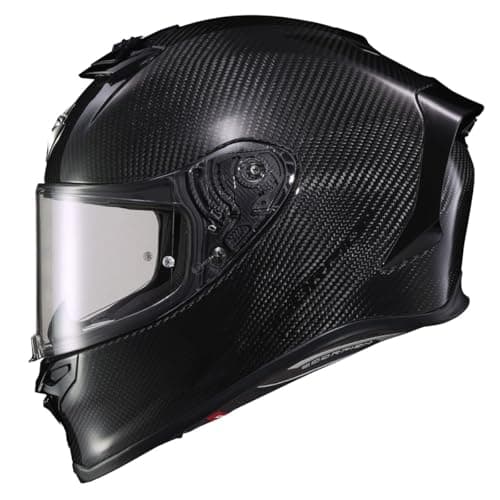
ScorpionEXO R1 Air Carbon: 1,383 g in medium
From Best carbon fiber motorcycle helmets, with listed weights