Explainer
Polycarbonate vs fiberglass vs carbon fiber shells
Published
Short answer
Most motorcycle helmet shells are polycarbonate (a molded thermoplastic), fiberglass or composite blends, or carbon fiber. Polycarbonate is affordable but usually heavier for the same strength. Fiberglass composites are lighter and are used by most premium brands. Carbon fiber is the lightest and most expensive. All of them must pass the same certification tests, so shell material mainly changes weight, comfort and price, not whether the helmet is safe.
Gear for this job
All 8 picks compared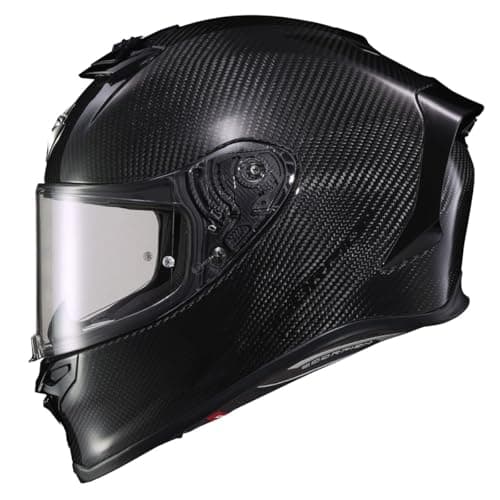
ScorpionEXO R1 Air Carbon: 1,383 g in medium
See price on AmazonSee it on Amazon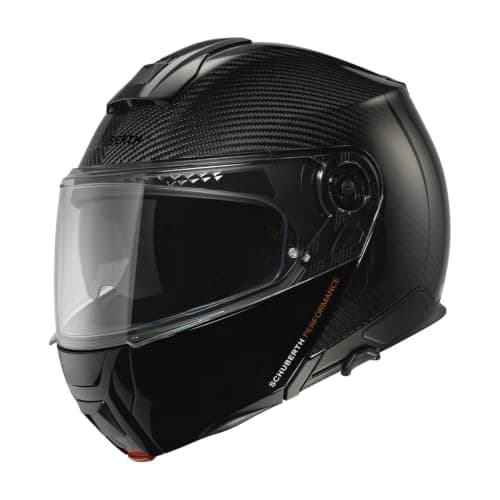
Schuberth C5 Carbon: modular at about 1,580-1,600 g
See price on AmazonSee it on Amazon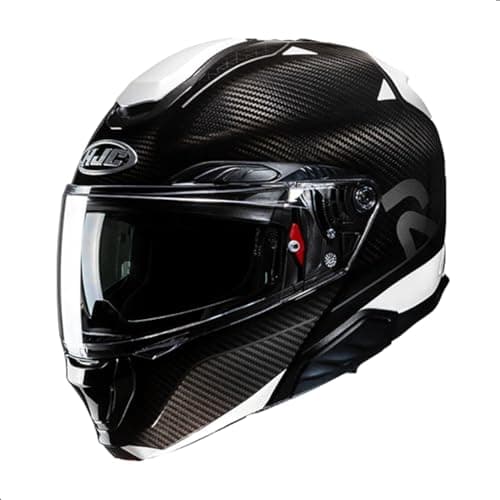
HJC RPHA 91 Carbon: modular with drop-down sun visor
See price on AmazonSee it on Amazon
Helmet listings throw around terms like polycarbonate, fiberglass, composite, tri-composite and carbon fiber. It is easy to assume the expensive material protects more. In practice, a helmet's protection depends on the full system: shell, EPS liner, fit and certification. This page explains what each shell material is, how it affects weight and the number of shell sizes, what it means for price, and how to choose without overpaying for a label.
What a helmet is made of
Every helmet has an outer shell and an inner energy-absorbing liner, usually EPS foam. The shell spreads an impact over a wider area and resists abrasion and penetration. The EPS crushes to slow your head. Comfort liners, cheek pads, the chin strap and the visor complete the system.
Shell material is only one part. Two helmets with the same shell material can perform differently because of liner density, shell shape and fit. Keep that in mind when a listing leans heavily on the shell.
- 1Shell outer layer that spreads an impact and resists abrasion
- 2EPS liner expanded polystyrene foam that crushes to absorb impact
- 3Comfort liner removable, washable fabric layer against the head
- 4Cheek pad sets how snug the helmet sits on the face
- 5Chin bar fixed front section of a full face helmet
- 6Visor clear or tinted shield over the eye port
- 7Visor pivot mount the visor swings on, removable for cleaning
- 8Vents intakes on the chin bar and crown, exhausts at the back
- 9Chin curtain cuts wind and noise under the chin
- 10D-ring strap retention strap fastened through two metal rings
Polycarbonate and other thermoplastic shells
Polycarbonate shells are injection molded, which is fast and cheap at volume. That is why most budget and many mid-range helmets use them. Polycarbonate is tough and handles impacts well, but to pass the tests it usually needs a thicker shell, which adds weight.
Molding tools are expensive, so makers often use fewer shell sizes and fill the gaps with thicker or thinner EPS and padding. That can make the smallest and largest sizes look bulky for the head inside. Polycarbonate helmets also need care with chemicals, because some solvents and stickers can weaken the plastic. See how to clean a motorcycle helmet for safe products.
Fiberglass and composite shells
Fiberglass shells are made by layering glass fiber cloth with resin in a mold. Many premium brands use blends of fiberglass with other fibers like aramid or carbon, often sold under their own names. The result is a shell that is commonly lighter than polycarbonate for the same coverage.
Composite shells are labor intensive, which raises cost, but makers can afford more shell sizes. More shell sizes means each helmet size is closer to the head inside it, which helps with weight, looks and noise. Most helmets in our best Shoei and best Arai guides use composite shells.
Carbon fiber shells
Carbon fiber is stiff and light, so a carbon shell can be thinner and lighter than fiberglass at a given strength. That is why many race and premium sport helmets offer carbon versions. The weight savings are real but often modest, and they depend on the model and size.
Carbon costs more, both in material and in labor. You are paying mainly for lower weight and the look of the weave. A carbon helmet is not automatically safer than a fiberglass one, since both must meet the same standards. If weight matters most to you, see the best carbon fiber helmets.
Why the number of shell sizes matters
A helmet maker can build each size on its own outer shell, or stretch a few shells across many sizes by changing the thickness of the EPS liner and padding. When one shell covers several sizes, the smallest size in that shell ends up with a thick liner and a larger outside than the head needs. That adds weight and can make the helmet look oversized.
More shell sizes keep the outside closer to the head inside, so small and large riders get a helmet proportioned for them. Listings and brand pages often state how many shell sizes a model uses. If you wear an XS or a 2XL, this detail is worth checking, because it affects weight, wind noise and how the helmet looks on you. Composite and carbon helmets more often come in several shell sizes, but it varies by model, so compare the numbers rather than assuming.
Materials compared
Use this table as a general guide. Individual models can buck the trend, so compare listed weights and shell sizes for the helmets you are considering.
Weight matters most on long rides and for riders with neck strain. Our article on motorcycle helmet weight explains how much difference a few hundred grams makes, and how much a motorcycle helmet costs breaks down what you get at each price level.
Polycarbonate
- Weight tendency
- Heaviest
- Shell sizes
- Often fewer
- Price tendency
- Lowest
Fiberglass or composite
- Weight tendency
- Lighter
- Shell sizes
- Often more
- Price tendency
- Mid to high
Carbon fiber
- Weight tendency
- Lightest
- Shell sizes
- Varies
- Price tendency
- Highest
| Material | Weight tendency | Shell sizes | Price tendency |
|---|---|---|---|
| Polycarbonate | Heaviest | Often fewer | Lowest |
| Fiberglass or composite | Lighter | Often more | Mid to high |
| Carbon fiber | Lightest | Varies | Highest |
Frequently asked questions
Is a fiberglass helmet safer than polycarbonate? Not by material alone. Both must pass the same standards. Fiberglass is usually lighter and available in more shell sizes, which can help comfort and fit.
Is carbon fiber worth it? If you want the lightest helmet and the budget allows, yes. If not, a well-fitting composite helmet gives the same certification level for less money.
Do polycarbonate helmets expire faster? Many makers give similar replacement guidance, often around five years, for all materials. Polycarbonate does need care with solvents and some stickers.
What is a tri-composite shell? It is a marketing term for a shell made from three fiber types, commonly fiberglass, aramid and carbon. The exact mix varies by brand.
What you need for this
- See price on AmazonAmazon
ScorpionEXO R1 Air Carbon: 1,383 g in medium
From Best carbon fiber motorcycle helmets, with listed weights
 See price on AmazonAmazon
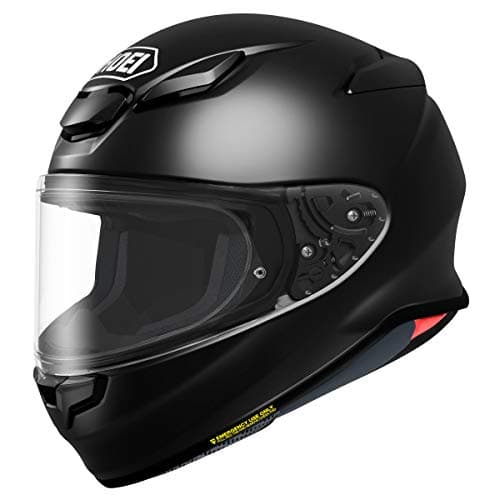
Shoei RF-1400: quieter shell, SNELL M2020 and DOT
From Best full face motorcycle helmets for street and sport touring
 See price on AmazonAmazon
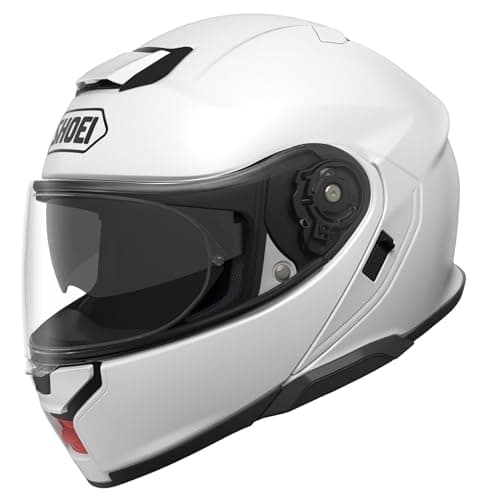
Shoei Neotec 3: modular that reduces wind noise
 See price on AmazonAmazon
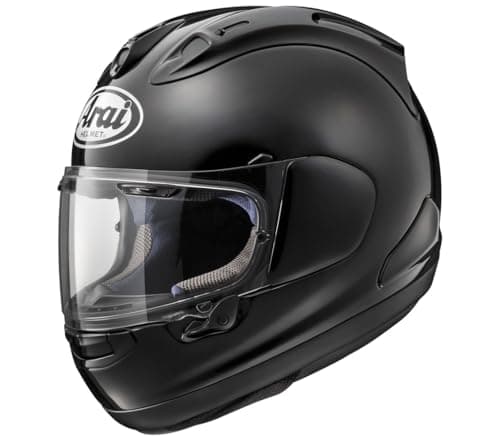
Arai Corsair-X: intermediate oval, PB-SNC2 shell