Explainer
How much does a good motorcycle helmet cost?
Published
Short answer
A good DOT-certified full face helmet from a known brand typically starts around $150 to $250. Mid-range helmets with better fit, ventilation and noise control run about $300 to $500, and premium models from brands like Shoei, Arai and Schuberth, or carbon fiber shells, cost $600 to well over $800. Every legal street helmet in the US must meet the same DOT minimum.
Gear for this job
All 8 picks compared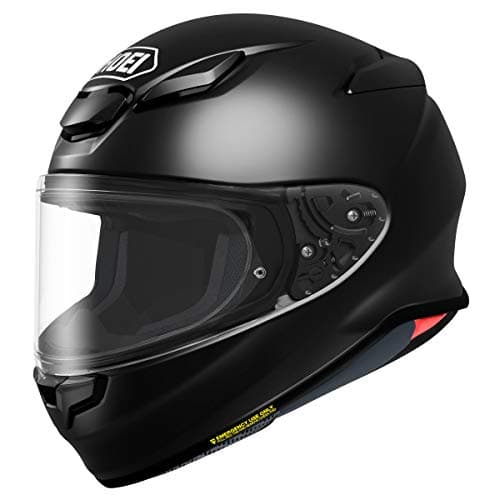
Shoei RF-1400: Snell M2020 and DOT listed
See price on AmazonSee it on Amazon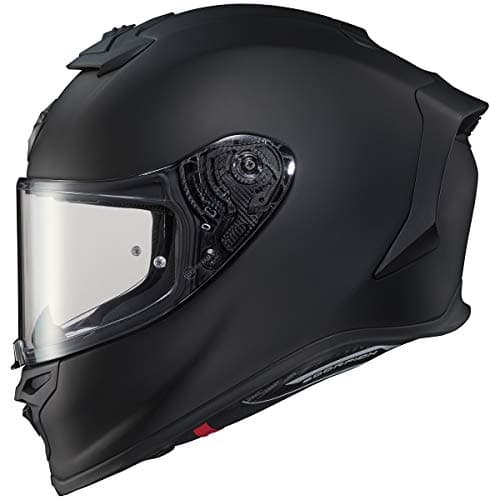
Scorpion EXO-R1 Air: DOT and ECE, 3.05 lb
See price on AmazonSee it on Amazon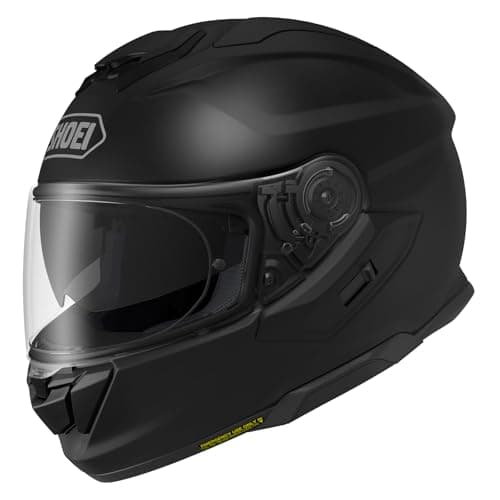
Shoei GT-Air 3: touring full face with sun visor
See price on AmazonSee it on Amazon
Helmet prices span a wide range, and it is fair to ask whether an $800 helmet protects you more than a $200 one. This page explains what you get at each price level, what the safety labels do and do not tell you, why premium helmets cost what they do, and where spending more makes a real difference to comfort and fit. It is written for new riders setting a budget and experienced riders wondering if an upgrade is worth it.
What every legal helmet has in common
Every helmet sold for street use in the US must meet the federal DOT standard, FMVSS 218. That standard covers impact energy absorption, penetration and the strength of the retention system. A $150 helmet and an $800 helmet with DOT labels have both been certified to that same minimum.
Many helmets also carry ECE 22.06 or Snell M2020 approval. Those standards add more test points, different impact speeds and, in the case of ECE 22.06, rotational impact testing. A cheaper helmet can carry these labels too. Our DOT vs ECE vs Snell explainer and the helmet rating decoder show what each label means.
- 1DOT FMVSS 218 sticker on the back of the shell
- 2ECE 22.06 label sewn on the chin strap with the approval number
- 3Snell M2020 sticker inside the helmet, often under the comfort liner
A helmet can carry more than one label. For street use in the US, the DOT label is the required one.
What changes as price goes up
These are general patterns, not rules. Some mid-priced helmets punch well above their price, and some expensive helmets are expensive mostly because of graphics or brand.
Shell material
- About $150-$250
- Polycarbonate or basic composite
- About $300-$500
- Fiberglass composite
- About $600 and up
- Multi-layer composite or carbon fiber
Shell sizes
- About $150-$250
- Often 1 or 2 shells for all sizes
- About $300-$500
- 2 to 4 shells
- About $600 and up
- Often 4 or more shells
Liner and pads
- About $150-$250
- Removable, basic fabric
- About $300-$500
- Removable, better fabrics
- About $600 and up
- Removable, multiple pad thicknesses offered
Ventilation
- About $150-$250
- Basic vents
- About $300-$500
- Better airflow and exhaust
- About $600 and up
- Refined, tuned airflow
Noise control
- About $150-$250
- Variable
- About $300-$500
- Better neck rolls and seals
- About $600 and up
- Usually the quietest designs
Visor
- About $150-$250
- Basic, may not be Pinlock-ready
- About $300-$500
- Pinlock-ready, often with insert
- About $600 and up
- Pinlock insert included, precise seals
Extras
- About $150-$250
- Drop-down sun visor on some
- About $300-$500
- Intercom pockets, emergency cheek pads
- About $600 and up
- Emergency release pads, intercom integration
| Feature | About $150-$250 | About $300-$500 | About $600 and up |
|---|---|---|---|
| Shell material | Polycarbonate or basic composite | Fiberglass composite | Multi-layer composite or carbon fiber |
| Shell sizes | Often 1 or 2 shells for all sizes | 2 to 4 shells | Often 4 or more shells |
| Liner and pads | Removable, basic fabric | Removable, better fabrics | Removable, multiple pad thicknesses offered |
| Ventilation | Basic vents | Better airflow and exhaust | Refined, tuned airflow |
| Noise control | Variable | Better neck rolls and seals | Usually the quietest designs |
| Visor | Basic, may not be Pinlock-ready | Pinlock-ready, often with insert | Pinlock insert included, precise seals |
| Extras | Drop-down sun visor on some | Intercom pockets, emergency cheek pads | Emergency release pads, intercom integration |
Why premium helmets cost more
More shell sizes. Making a separate shell and EPS liner for each few head sizes means smaller riders get a smaller, lighter helmet rather than a large shell filled with thick padding. It costs more in tooling.
Materials and weight. Fiberglass composites and carbon fiber can save weight compared with polycarbonate at the same size, and some riders notice less neck fatigue on long rides. See motorcycle helmet shell materials and helmet weight.
Fit and comfort engineering. Premium makers spend heavily on interior shapes, pad options, wind tunnel work for noise and stability, and visor seals. Much of this you notice after an hour, not in the store.
Production and quality control. Hand-laid shells, more inspection steps and production in Japan or Germany add cost. Brands such as Arai and Shoei describe these processes in their own materials.
Graphics. The same helmet can cost noticeably more in a replica or multi-color graphic than in a solid color.
Does a more expensive helmet protect you better?
Not automatically. A higher price does not mean a higher certification, and a correctly fitted budget helmet is safer than an expensive one that is the wrong size or shape. The single biggest factor you control is fit, covered in how should a motorcycle helmet fit.
Independent programs such as the UK's SHARP scheme test and star-rate many helmets. Their results show some lower-priced helmets scoring well and some expensive ones scoring less well, which supports the idea that price alone is not a reliable guide to protection. Look at certifications and independent ratings where available, then decide what comfort and features are worth to you. Our are Arai helmets safer article looks at this question for one premium brand.
Are Shoei and Arai worth the cost?
For many riders who spend long days in the saddle, yes, because of comfort, noise, ventilation and fit options rather than a guaranteed safety advantage. Premium brands usually offer several internal shapes, multiple shell sizes and replaceable pads in different thicknesses, which can turn a near fit into a great one. They also tend to have good parts availability for visors and liners over the helmet's life.
If you ride a few short trips a week, a well-fitting mid-range helmet may serve you just as well. If you tour, commute daily at highway speed or ride in heat, the comfort features of a premium helmet are easier to justify. Browse the best Shoei helmets and best Arai helmets to see the lineups, or the best HJC motorcycle helmets and best Scorpion EXO helmets for strong mid-range options.
How to set your helmet budget
- Leave room for a correct fit. Buy the model that fits your head shape, even if it costs a bit more than your first pick.
- Budget for a Pinlock insert or tinted visor if one is not included.
- Add the cost of an intercom if you plan to use one, and check the helmet has speaker pockets; see the best motorcycle intercoms.
- Plan to replace the helmet around every five years, so cost per year matters more than sticker price.
- Avoid used helmets; you cannot see whether the liner has been crushed.
Frequently asked questions
Why are motorcycle helmets so expensive? Development, shell tooling for several sizes, composite materials, interior fit engineering and quality control all add cost, along with graphics and brand.
Is a $200 helmet safe? If it carries DOT certification and fits you correctly, it meets the same legal minimum as any street helmet. Additional ECE 22.06 or Snell approval is a plus.
What is the price of a good beginner helmet? Many riders start with a full face helmet in the $150 to $350 range from an established brand, with DOT and ideally ECE 22.06 labels.
Is a carbon fiber helmet safer? Not by material alone. Carbon fiber mainly saves weight. Protection is measured by certification tests, not shell material.
What you need for this
- See price on AmazonAmazon
Shoei RF-1400: quieter shell, SNELL M2020 and DOT
From Best full face motorcycle helmets for street and sport touring
 See price on AmazonAmazon
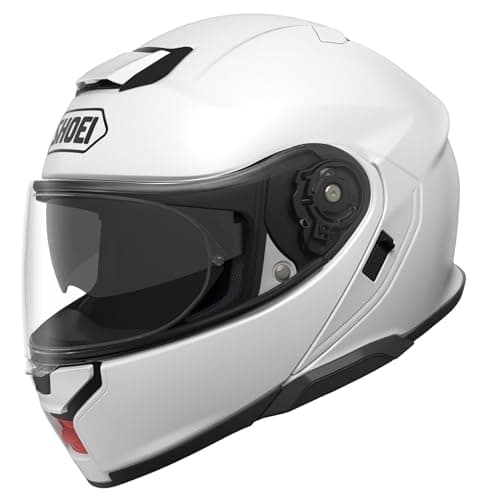
Shoei Neotec 3: modular that reduces wind noise
 See price on AmazonAmazon
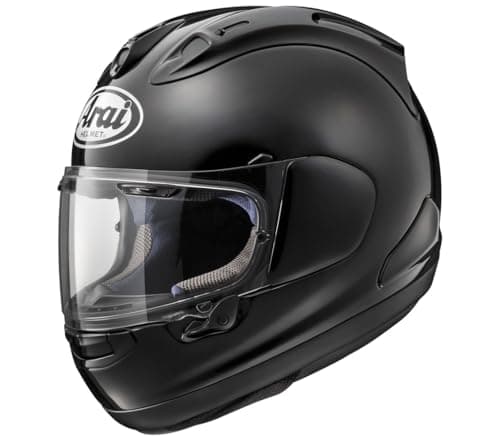
Arai Corsair-X: intermediate oval, PB-SNC2 shell
 See price on AmazonAmazon
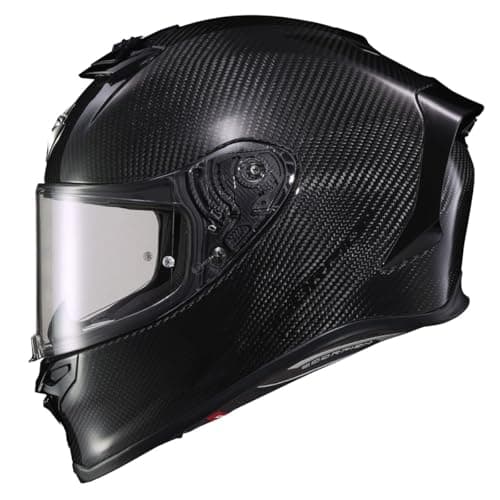
ScorpionEXO R1 Air Carbon: 1,383 g in medium
From Best carbon fiber motorcycle helmets, with listed weights