How-to
How to choose a motorcycle helmet
Published
Short answer
Choose in this order: start with how and where you ride, pick the helmet type that suits it, measure your head and learn your head shape, check the safety ratings, and only then compare features like vents, visors and intercom readiness. Fit beats everything else. A well-fitted DOT helmet in the right shape is a better buy than an expensive helmet that moves or hurts.
Gear for this job
All 8 picks compared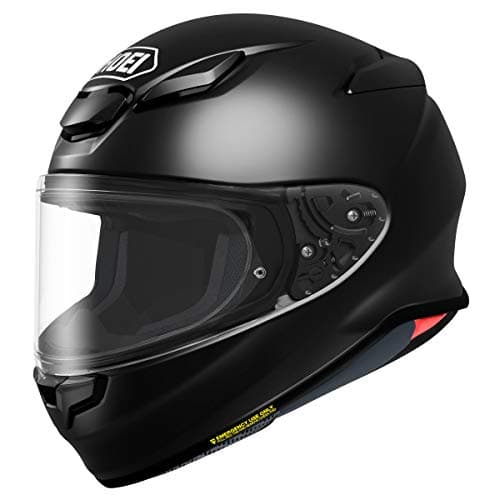
Shoei RF-1400: Snell M2020 and DOT listed
See price on AmazonSee it on Amazon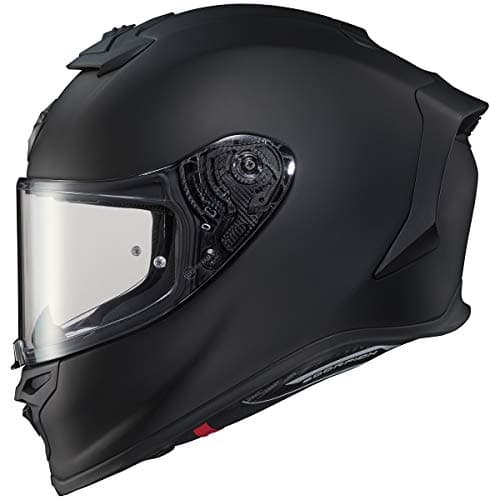
Scorpion EXO-R1 Air: DOT and ECE, 3.05 lb
See price on AmazonSee it on Amazon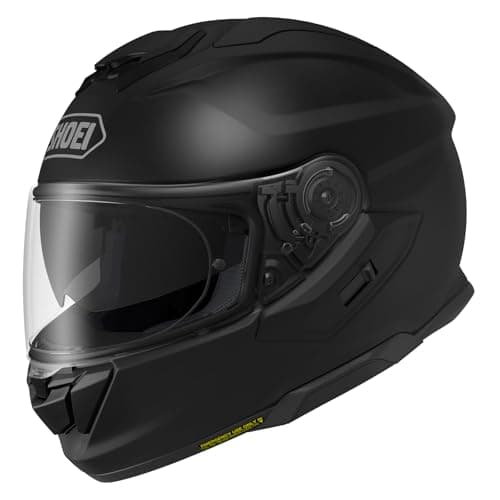
Shoei GT-Air 3: touring full face with sun visor
See price on AmazonSee it on Amazon
Helmet shopping gets confusing fast: dozens of brands, three safety standards, modular versus full face, carbon versus composite, and prices from under $200 to well over $1,000. This page gives you a simple order to work through so the big decisions come first and the details last. It is written for new riders buying a first helmet and experienced riders replacing an old one. Each step links to a deeper guide if you want more detail, and our helmet size finder helps with step three.
Step 1: Start with how you ride
Your riding decides most of what you need. A commuter who rides 30 minutes a day in traffic needs good visibility, an easy-to-use visor and decent ventilation. A long-distance touring rider cares about quietness, comfort and a drop-down sun visor. A sport rider wants a stable shell at speed and a wide view when tucked in. An adventure rider needs a peak, lots of airflow and room for goggles.
Write down the speeds you ride at, how long your typical ride is, the climate, and whether you wear glasses. That short list will steer every other choice.
- Commuting: visibility, easy visor, Pinlock-ready shield.
- Touring: quiet shell, sun visor, intercom pockets.
- Sport and track: stable shell, wide eye port, multiple shell sizes.
- Adventure: peak, strong ventilation, goggle-compatible eye port.
- Cruising: open face or full face with classic styling.
Step 2: Pick the helmet type
The main types are full face, modular (flip-up), adventure or dual sport, open face (3/4) and half helmets. A full face helmet covers the chin and face with a fixed chin bar and gives the most coverage. A modular has a chin bar that lifts, which is handy for glasses wearers and riders who stop often. Adventure helmets add a peak and a larger eye port. Open face helmets leave the face exposed.
For most street riding, a full face or modular is the most practical choice. Read full face vs modular helmet for the trade-offs and motorcycle helmet types for the full lineup.
Full face
Street, sport and touring
Modular
Touring, riders who wear glasses
Adventure
Mixed road and dirt
Open face (3/4)
Cruisers and scooters
Half
Short, slow rides
Off-road
Dirt and motocross, with goggles
Step 3: Measure your head and learn your head shape
Measure around the widest part of your head, about an inch above your eyebrows and just above your ears, in centimeters. Use that number to find your size on the chart for each helmet you consider. Our motorcycle helmet size chart shows the typical ranges.
Then work out your head shape. Look down on your head from above, or have someone photograph it, and compare length front to back with width side to side. Long oval, intermediate oval and round oval heads need different helmets. Most brands build around intermediate oval, but some models run longer or rounder. See motorcycle helmet head shapes.
Long oval
Fewer models; some makers sell long oval lines, such as Arai's Signet-X.
Intermediate oval
The most common shape; most models from the big brands target it.
Round oval
Fewer models; check each maker's fit notes for rounder lines.
- 1
Measure your head three times and keep the largest number.
- 2
Identify your head shape: long oval, intermediate oval or round oval.
- 3
Shortlist helmets built for your shape.
- 4
Check each model's own size chart, not just a generic chart.
- 5
Try the helmet on for at least 20 to 30 minutes before committing.
Step 4: Check the safety rating
In the US, a helmet for road use must meet DOT FMVSS 218. Look for the full DOT label on the back of the shell; our DOT label guide shows what to check. Many helmets sold in the US also carry ECE 22.06, the current European regulation, which adds an oblique impact test and tests at more points. Some carry a Snell M2020 sticker as well.
More labels do not automatically mean a better helmet for you, but ECE 22.06 approval tells you the helmet went through independent lab approval before sale. Compare the three in DOT vs ECE vs Snell, or tick the labels on your helmet in our helmet rating decoder. If rotational protection matters to you, see MIPS and rotational systems.
Note.Never buy a used helmet with an unknown history. A helmet that has taken a hard knock can have damage inside the EPS liner you cannot see.
Step 5: Compare features last
Once you have a shortlist of helmets that fit and are certified, compare the extras. These are where the price differences often come from, and they matter most for comfort over time.
Pinlock-ready visor
- Why it matters
- Stops fogging in cold or wet weather
- Who cares most
- Commuters, year-round riders
Drop-down sun visor
- Why it matters
- Shade without swapping shields
- Who cares most
- Touring, commuting
Speaker pockets
- Why it matters
- Room for intercom speakers
- Who cares most
- Anyone using an intercom
Ventilation
- Why it matters
- Comfort in heat, less fogging
- Who cares most
- Hot climates, adventure riders
Multiple shell sizes
- Why it matters
- Better proportions in small and large sizes
- Who cares most
- Riders at either end of the size range
Removable, washable liner
- Why it matters
- Hygiene
- Who cares most
- Everyone
Weight
- Why it matters
- Comfort on long rides
- Who cares most
- Touring riders
| Feature | Why it matters | Who cares most |
|---|---|---|
| Pinlock-ready visor | Stops fogging in cold or wet weather | Commuters, year-round riders |
| Drop-down sun visor | Shade without swapping shields | Touring, commuting |
| Speaker pockets | Room for intercom speakers | Anyone using an intercom |
| Ventilation | Comfort in heat, less fogging | Hot climates, adventure riders |
| Multiple shell sizes | Better proportions in small and large sizes | Riders at either end of the size range |
| Removable, washable liner | Hygiene | Everyone |
| Weight | Comfort on long rides | Touring riders |
Setting a budget
Every helmet sold for US road use must meet the same minimum standard, so a mid-priced helmet that fits well is a sound choice. Spending more usually buys lighter shells, more shell sizes, quieter aerodynamics, better visor mechanisms, higher-grade liners and extra certifications. It does not replace good fit.
See how much does a motorcycle helmet cost for typical price bands. If you ride a lot of miles, a quieter helmet is worth considering; our quiet helmet guide covers touring options.
Frequently asked questions
What is the safest type of motorcycle helmet? A full face helmet covers the most of your head and face, including the chin. Modular helmets offer similar coverage when the chin bar is locked down, provided they are rated for riding that way.
How do I know if a helmet fits? It should be snug all around with firm cheek pressure, should not slide when you twist the chin bar, and should cause no sharp pressure points after 20 to 30 minutes. See how a motorcycle helmet should fit.
Should I buy a helmet online? You can, if you measure carefully, know your head shape, and buy from a seller with easy returns. Trying the same model in a store first is even better.
How often should I replace my helmet? Replace it after any significant impact, and many makers recommend replacement around five years of use. See when to replace a motorcycle helmet.
What you need for this
- See price on AmazonAmazon
Shoei RF-1400: quieter shell, SNELL M2020 and DOT
From Best full face motorcycle helmets for street and sport touring
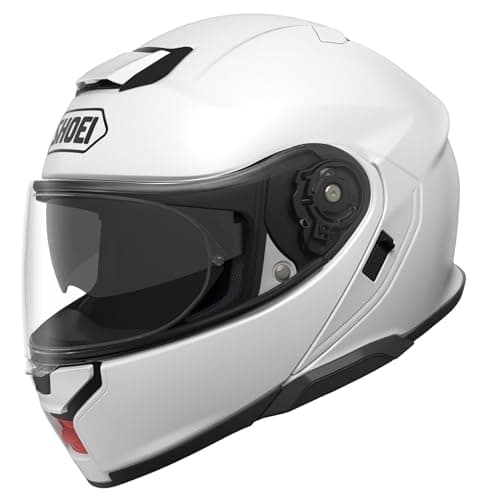 See price on AmazonAmazon
Shoei Neotec 3: modular that reduces wind noise
From Best modular motorcycle helmets for touring and commuting
 See price on AmazonAmazon
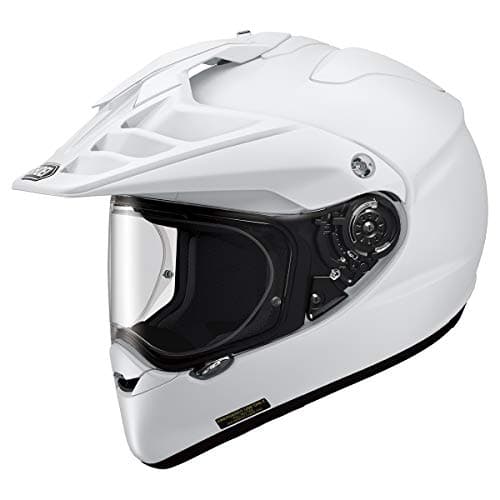
Shoei Hornet X2: Snell M2020D, 3.99 lbs in medium
From Best adventure and dual sport helmets for road and dirt
 See price on AmazonAmazon
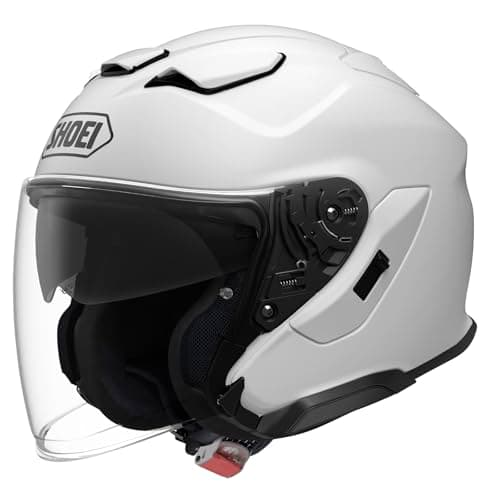
Shoei J-Cruise 3: DOT and ECE 22.06, sun visor
From Best open face motorcycle helmets for cruisers and scooters